TechnologyBuying guide
A drone under the tree: what to register and pass in the UK, EU and US
Got a drone as a present? The UK's 2026 rules, the EU's class marks and the US test and registration, read clause by clause, with a gloss on each.
In this guide8 sections
- 01The short answer, with the small print underneath
- 02UK 2026: the 100g line, clause by clause
- 03The EU: class marks do the sorting
- 04The US: a free test first, registration by weight
- 05The three regimes side by side
- 06A worked example: one camera drone, 249g, three countries
- 07Where you can fly: what the rules actually say
- 08What to skip, and a checklist for the wrapper
The short answer, with the small print underneath
A drone box usually says nothing about the law. It says 4K, it says minutes of flight time, and the legal part sits in a leaflet nobody reads. This piece reads that leaflet for you, clause by clause: the rule first, then a plain gloss in the margin of what it means for the person unwrapping the present.
The pattern is the same in all three places. The lighter the drone, the lighter the paperwork, and the camera on board can move the line. What changes is where the lines sit. The UK reset its rules from 1 January 2026, the EU has used class marks since 2024, and the US splits the job into a free test and a registration that starts at a weight.
This is general information, not legal advice. The regulator's own page, and your own country's rules, decide anything that matters.
UK: a theory test (Flyer ID) from 100g, plus an Operator ID for camera drones from 100g and for any drone from 250g.
EU: no test for the smallest class (C0), but registration if it has a camera and isn't a toy.
US: a free test (TRUST) for recreational flying, plus registration from 250g.
UK 2026: the 100g line, clause by clause
The rule: "You must get a Flyer ID if you want to fly a drone or model aircraft that weighs 100g or above." The CAA adds that you must pass its official theory test to get one, and recommends carrying a copy when you fly.
Margin: the test belongs to the pilot, not the drone. Whoever will hold the controller needs to pass it. The 2026 changes are reported as lowering this threshold from 250g, which matters because many small gift-class drones sit between 100g and 250g and used to fall outside the test.
The rule: an Operator ID is required for a drone of 100g to under 250g with a camera, and for any drone from 250g to under 25kg. It is optional from 100g to under 250g without a camera, recommended under 100g, and the ID must be labelled on the drone. Applicants must be 18 or over.
Margin: this is the registration half. If the recipient is under 18, a parent or guardian has to be the registered owner. Below 100g, neither ID is required.
The rule: any new model placed on the UK market from 1 January 2026 must carry a UK class mark, from UK0 to UK6. A C-class mark (the European system) can be flown as the matching UK class until 31 December 2027.
Margin: a drone bought before 2026 probably has no class mark, so weight decides. UK5 and UK6 drones fall outside the Drone Code and need CAA authorisation, but nothing in a gift box should be that heavy.
Two things to check on the CAA's own pages: the fees and validity of the two IDs, and whether Remote ID applies to your drone. The CAA's Drone Code guidance on getting the two IDs doesn't cover either.
The EU: class marks do the sorting
The rule: the open category has three subcategories. A1 allows flying over people but not over assemblies of people, A2 means close to people, A3 means far from people. C0 and C1 drones fall under A1 (and may also fly in A3), C2 falls under A2 (also A3), and C3 and C4 fall under A3.
Margin: the sticker on the drone tells you which of these rooms you're in. Weight limits behind the marks: C0 under 250g, C1 under 900g, C2 under 4kg, C3 and C4 under 25kg.
The rule: for C0, registration with the national authority applies only if the drone has a camera or sensor and is not a toy. C0 remote pilots need no training and must be 16, or have no minimum age if the drone is a toy. A State may lower the minimum age to 12 within its borders. Operator registration is required for C1 to C4.
Margin: "camera and not a toy" catches nearly every consumer camera drone, so expect to register even at the lightest weights. Which authority you register with depends on your member state, and EASA points to its registration FAQ for the detail. Above C0, check what your national authority asks.
The rule: all open-category drones, with limited exceptions, need a remote identification system. EASA says it did not check the compliance of Remote ID modules; the declarations are the manufacturer's responsibility.
The rule on labels: the class table has applied since 1 January 2024, and a drone without a class label may be used only if it was placed on the market before 31 December 2023. Margin: a label-less drone bought in 2026 should make you ask the seller why.
The US: a free test first, registration by weight
The US figures below come from KnowBeforeYouFly, the FAA-backed public education site, and from a GigaFact fact brief dated April 2026, not from the FAA's own pages. Confirm the fee and Remote ID details with the FAA before paying anything.
The rule: if you fly under the Exception for Recreational Flyers, "you must pass the test before you fly." That test is TRUST. It is free, takes about 30 minutes or less, and is delivered online through FAA-approved test administrators.
Margin: you keep the completion certificate with you when flying, and if you lose it you retake the test, because test administrators don't keep a record of it. KnowBeforeYouFly doesn't mention an expiry, so don't assume one either way.
The rule: recreational drones weighing 250g (0.55 lb) or more must be registered. Registration is reported at $5 for three years, through the FAA DroneZone portal. Those registered drones must also have Remote ID.
Margin: under 250g, the registration step falls away, but the test doesn't. Reports disagree on whether a sub-250g drone with Remote ID hardware has to broadcast it, so read the FAA's Remote ID page for your exact drone.
The three regimes side by side
Reading the three clause sets together shows the real difference. The UK tests nearly everyone with a drone worth flying and registers camera drones from 100g. The EU skips the test for C0 but registers camera drones that aren't toys. The US tests everyone recreational and registers by weight only. Same instinct, three different dials.
A worked example: one camera drone, 249g, three countries
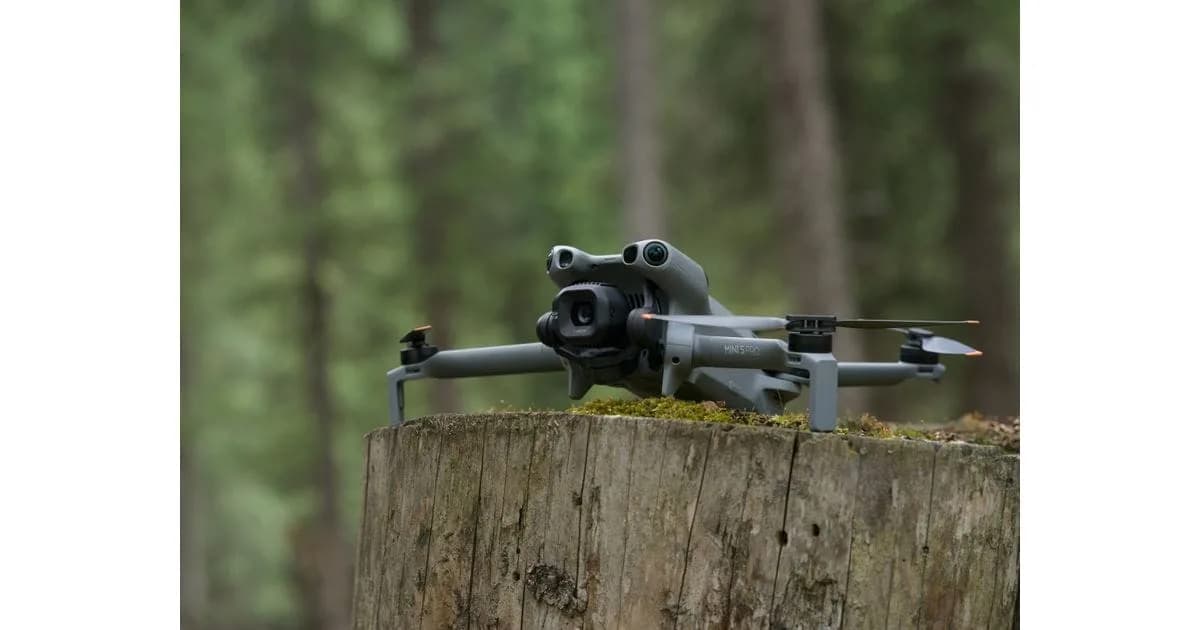
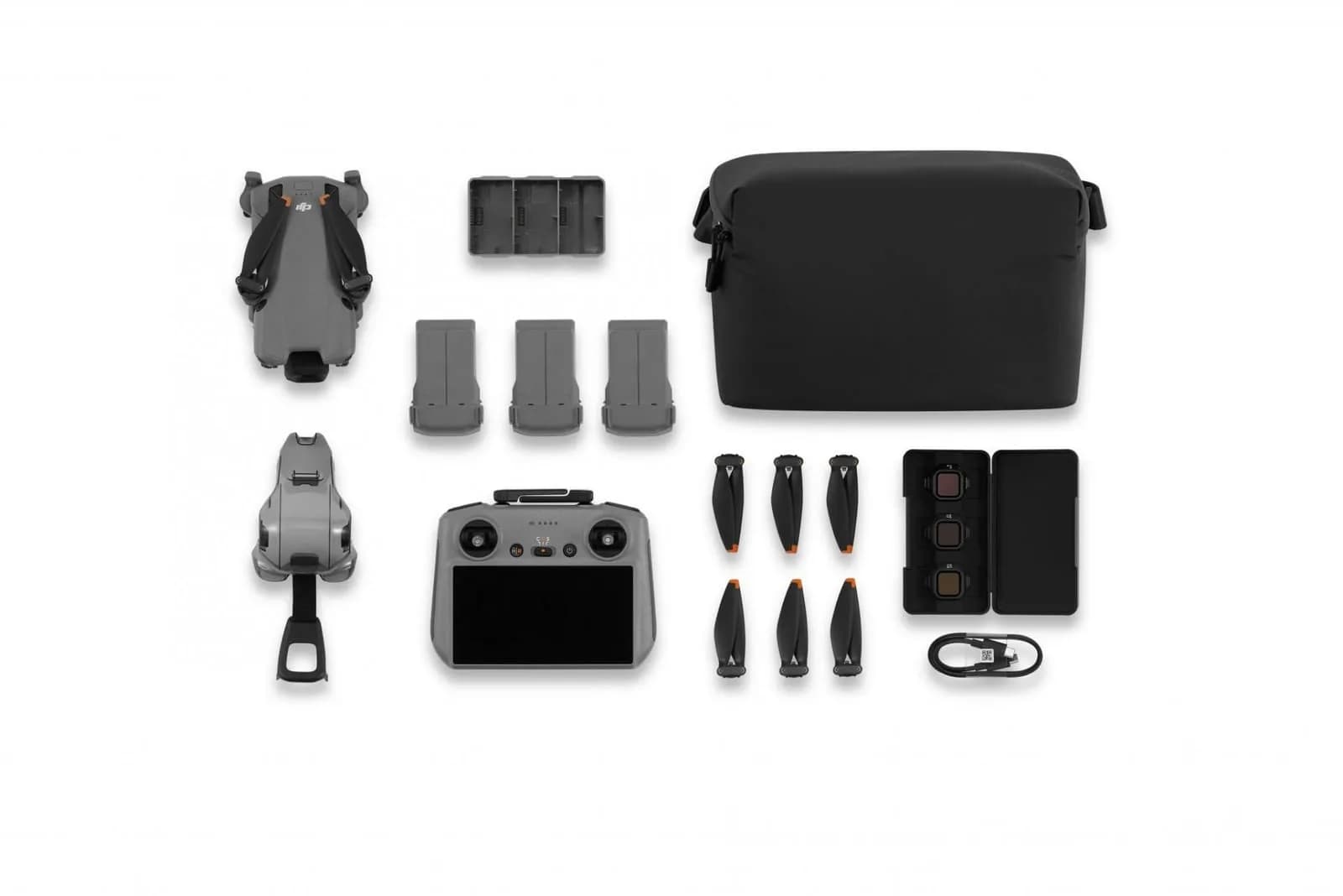
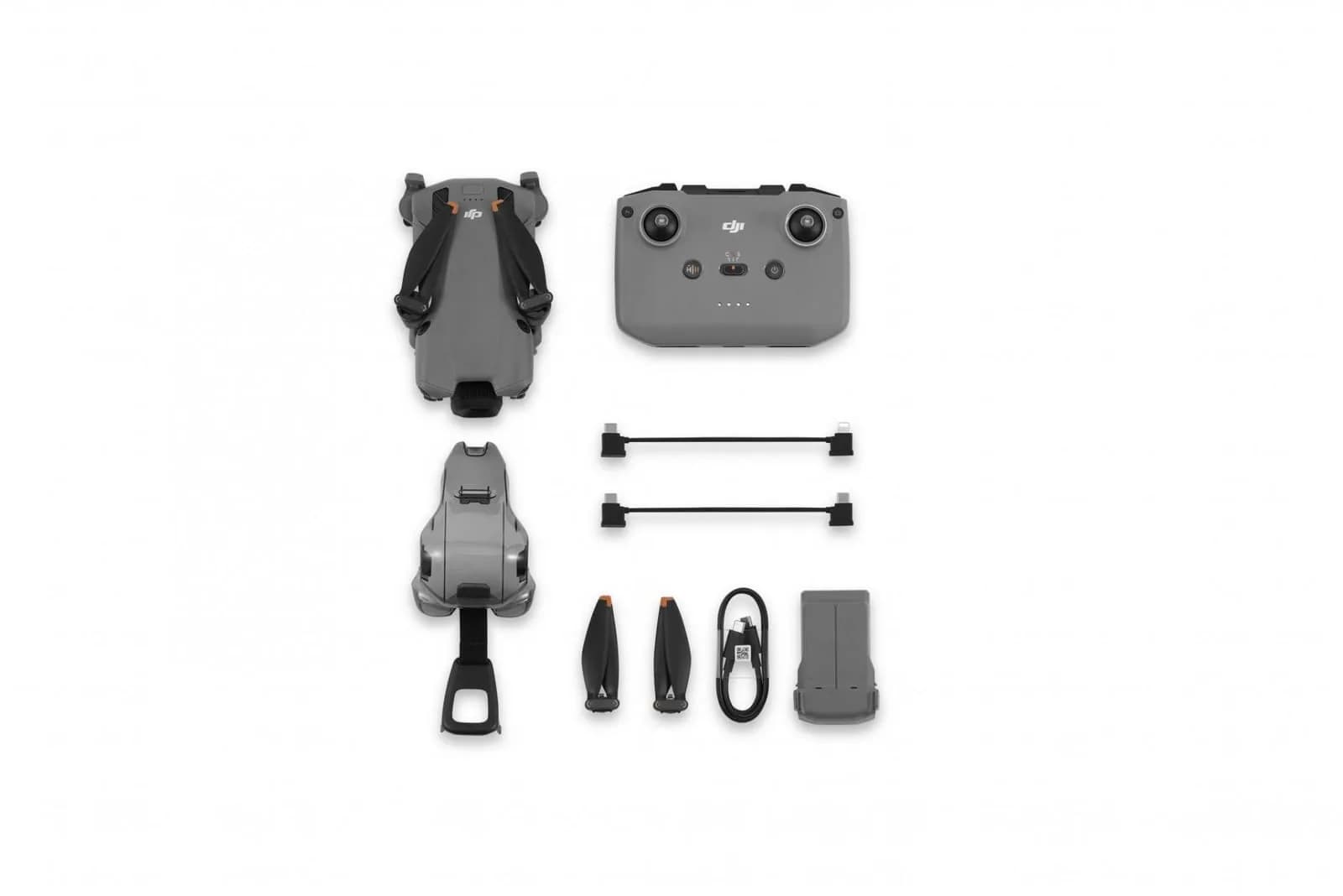
Take a camera drone that its maker lists at just under 250g with the standard battery. That figure can hide a margin: DJI's spec page for the Mini 5 Pro gives a takeoff weight of 249.9g with a tolerance of about ±4g, so a unit can land on either side of 250g. That is why a gift's legal status is worth reading rather than assuming.
In the UK, it is over 100g, so the pilot needs a Flyer ID and so passes the theory test. It has a camera and sits between 100g and 250g, so an Operator ID is needed too, held by someone 18 or over and labelled on the drone. Two steps, both online, both before the first flight.
In the EU, if it carries a C0 label, there is no pilot training. But it has a camera and isn't a toy, so the owner registers with their national authority, and the pilot must meet the minimum age (16, or lower where the State has set it). EASA says open-category drones need a remote identification system, with limited exceptions, so check how that applies to your model.
In the US, the test comes first: TRUST, free, about half an hour, certificate kept on you. Registration isn't required for a drone under 250g, but if that tolerance pushes the weight to 250g or over, the $5 registration and Remote ID follow.
The tolerance matters in the UK as well, because 250g is also where the Operator ID rule stops depending on a camera. A drone that reads 249g on the box and weighs 252g in the hand has changed bands.
Where you can fly: what the rules actually say
Passing a test and holding an ID doesn't make everywhere legal. Each system handles place differently.
In the EU, place is built into the subcategories: A1 allows flying over people but not over assemblies of people, A2 close to people, A3 far from people. Your class mark decides which of those you can use. The UK's Drone Code sorts place in a similar way. A drone under 250g, or one marked UK0, UK1 or C0, can fly in the Over People subcategory: closer than 50m to people, and over uninvolved people. At the strict end, the Far from People rules mean staying at least 50m from uninvolved people, never flying over them, and keeping 150m from residential, recreational, commercial and industrial areas. Where a heavier drone fits depends on its weight and class mark, as set out in the CAA's table. In the US, KnowBeforeYouFly points recreational flyers to the FAA's Where to Fly section and its B4UFLY app, so open it before your first flight rather than after.
Margin: height limits, no-fly zones and the remaining distance rules are on those regulator pages, and parks and landowners can add restrictions of their own. Check them for your own location; a box or a summary can't settle that for you.
What to skip, and a checklist for the wrapper
Skip the idea that the gift-giver can clear this on the recipient's behalf. The UK test belongs to the pilot, the TRUST certificate is the flyer's to carry, and under-18s need a parent or guardian as registered owner in the UK. A note in the card works better than a finished form.
Skip the gift-wrap assumption that a bargain unit is fine. A drone in the EU with no class label should only be one placed on the market before 31 December 2023.
Do this before the first flight:
Weigh the paperwork first: find the weight on the maker's spec page, including the tolerance, and note whether there is a camera.
UK: pass the Flyer ID theory test from 100g, register an Operator ID if it has a camera, and label the drone.
EU: look for the class mark, register with your national authority if it has a camera and isn't a toy, and check the minimum age.
US: take TRUST, keep the certificate on you, and register if the drone is 250g or more.
Open the regulator's place-to-fly resource for your area before you lift off.
Key specs
- UK Flyer ID
- Theory test, needed from 100g
- UK Operator ID
- Camera drones from 100g to under 250g; any drone from 250g to under 25kg; holder 18 or over
- UK class marks
- UK0 to UK6 on new models from 1 January 2026; C-class usable as the matching UK class until 31 December 2027
- EU C0 class
- Under 250g; no pilot training; register only if camera or sensor and not a toy
- EU weight classes
- C0 under 250g, C1 under 900g, C2 under 4kg, C3 and C4 under 25kg
- US TRUST
- Free online test, about 30 minutes or less; carry the certificate
- US registration
- From 250g (0.55 lb); reported as $5 for three years
Side by side
| UK (2026 rules) | EU (EASA open category) | US (FAA, recreational) | |
|---|---|---|---|
| Test before flying | Flyer ID theory test from 100g | None for C0; for C1 and above, check your national authority | TRUST, free, about 30 minutes or less |
| Registration | Operator ID for camera drones from 100g to under 250g and any drone from 250g to under 25kg; optional for 100g to under 250g without a camera | C0 only if camera or sensor and not a toy; operator registration for C1 to C4 | Drones of 250g or more; reported as $5 for three years via DroneZone |
| Weight lines | 100g and 250g | 250g, 900g, 4kg, 25kg | 250g |
| Class marks | UK0 to UK6 on new models from 1 January 2026; C0 to C4 usable as the matching UK class until 31 December 2027 | C0 to C4 since 1 January 2024; unlabelled drones only if placed on the market before 31 December 2023 | No equivalent in the US recreational rules |
| Minimum age | Operator ID holder must be 18 or over; under 18, a parent or guardian registers | C0: 16, none if a toy; a State may lower it to 12 | Check the FAA's current rules |
| Remote ID | Not stated in the CAA's Drone Code guidance on IDs; check with the CAA before assuming | Required for open-category drones, with limited exceptions | Required for registered recreational drones of 250g or more, as reported |
| Proof to carry | Copy of Flyer ID recommended; Operator ID labelled on the drone | Check with your national authority | TRUST certificate; retake the test if lost |
A drone is a perfectly legal gift in all three places, but it arrives with homework. The paperwork is quick for a careful person and a nuisance for a rushed one, so tell the recipient before the day, not after.
What works
- The US test is free and takes about half an hour or less.
- EU C0 needs no pilot training.
- Below 100g in the UK, no ID is required at all.
- Class marks put the rules on the sticker in the EU and, for new models, the UK.
What doesn’t
- The UK test now starts at 100g, so most camera drones need it.
- A camera on a C0 drone still triggers EU registration.
- Weight tolerance can push a drone across 250g.
- Remote ID and some US details need checking on the regulator's own pages.
Common questions
Do I need to register a drone under 250g?
It depends on the country. In the UK, a camera drone from 100g to under 250g needs an Operator ID, and the pilot needs a Flyer ID from 100g. In the EU, a C0 drone needs registration only if it has a camera or sensor and isn't a toy. In the US, registration applies from 250g (0.55 lb), but the TRUST test applies to recreational flyers regardless.
Can a child fly a drone they were given?
In the UK, an Operator ID holder must be 18 or over, so a parent or guardian registers for an under-18 owner. In the EU, C0 pilots must be 16, with no minimum if the drone is a toy, and a State may lower it to 12. For the US, check the FAA's current rules on age.
What if the drone has no class mark?
In the UK, drones bought before 1 January 2026 are unlikely to have one, so weight-based rules apply. In the EU, a drone without a class label may be used only if it was placed on the market before 31 December 2023.
What happens if I lose my TRUST certificate?
KnowBeforeYouFly says you should keep the certificate with you when flying, and that if it is lost the test must be retaken. The FAA's own TRUST page is the place to confirm current handling.
Sources
- CAA: Getting what you need to fly legally (Drone Code)
- CAA: Drones
- EASA: Open category - low risk civil drones
- EASA FAQ: Registration of privately built drones under 250g
- KnowBeforeYouFly: The Recreational UAS Safety Test (TRUST)
- KnowBeforeYouFly: Recreational flyers
- GigaFact: Do recreational drones need to be FAA registered if they exceed a certain weight?
- DJI Mini 5 Pro specs
Read next

TechnologyBuying guide
Dashcam footage in the UK, Germany and France: what you can record, keep and post
Private dashcam use is the easy part. Posting footage is where UK, German and French rules diverge, and France still has no dashcam-specific rule. What the primary sources say.

TechnologyBuying guide
Annotating the care plan at the checkout: what it adds to rights you already have
A margin-note read of the checkout care plan on a laptop or TV: what UK, EU and US law already covers, and the clauses on accidental damage, excess and cancelling.

TechnologyBuying guide
Before you gift an AI gadget: nine privacy questions, annotated
A recorder's real privacy policy, read line by line: what it stores, where, for how long and how to delete it. Nine questions to ask before you gift any AI gadget.