LifestyleBuying guide
When the gift company goes bust: experience vouchers after an administration, annotated
If the company behind your experience voucher goes into administration, will you get your money back? Card protections and reseller risks, annotated.

In this guide10 sections
- 01A voucher is a promise, not money in the bank
- 021. Find out which company will actually owe you the experience
- 032. Over £100 on a credit card: what Section 75 covers
- 043. Under £100, treat chargeback as a request, not a right
- 054. Keep the proof where you can find it in a hurry
- 065. If administration is announced, find out first, then spend fast
- 076. Know what a booked experience does and doesn't protect
- 087. Use the refund window while the company is still trading
- 098. Check the seller's record, and mind the gaps in what's known
- 10Where this leaves you
A voucher is a promise, not money in the bank
A voucher feels like cash in an envelope. It isn't. It's a promise from one company to deliver a driving day, a spa afternoon or a balloon flight at some point in the future, and it's only as good as that company's survival. Which? (page dated 13 October 2026) says that if the issuer goes into administration you may struggle to get your money back. It also says the administrators can stop honouring vouchers at any point.
Below, the small print is annotated as a checklist: eight things to run through before you pay and, if the worst happens, after. The rules change with the price and the payment method, and that's where people lose out. This is general information, not legal or financial advice. How any individual case turns out depends on the card issuer, the administrators and the facts.
1. Find out which company will actually owe you the experience
Read the voucher or confirmation email for the name of the issuer, not just the shop that took your money. Which? says a voucher bought through a third party carries no automatic right to a refund if the issuer fails, though the third party may refund as goodwill. Buyagift's terms (dated 9 September 2026) draw a similar line for ordinary refunds: unused vouchers are refunded only if bought directly from its website, and not if bought through third parties.
This suits anyone buying from a marketplace, a supermarket shelf or a reseller, where the logo on the box and the firm holding the money can differ. Margin note: goodwill is a favour, not an entitlement. Tip: copy the issuer's registered company name into your notes now, because any claim will need it.
2. Over £100 on a credit card: what Section 75 covers
Which? says Section 75 covers a voucher bought on a credit card where the single purchase is over £100. The claim goes to the card issuer rather than the seller, and that's the whole point: the company that has failed isn't the one you're asking for the money.
It suits the larger gift, such as a premium day out or a package for several people. The catch is in the wording. Which? refers to a single purchase over £100, so a basket of several smaller vouchers may not qualify, and the card issuer can say how it treats one. The Which? page doesn't mention it, but Section 75 also has an upper limit of £30,000, well above most gifts.

3. Under £100, treat chargeback as a request, not a right
For smaller sums Which? says chargeback through the card provider may be possible, but it "is not always successful". It's the route for debit cards and for smaller credit card purchases, and Which? (2023 article) notes it has no statutory footing. Margin note: no statute means no guarantee, and in the claim order in item 4 it only comes after the administrators.
This suits stocking-filler vouchers and anyone who paid by debit card. The catch is treating it as insurance, because it isn't one. Tip: before you buy, ask your card provider what evidence it wants if a seller stops trading, then keep exactly that.
4. Keep the proof where you can find it in a hurry
Which? says you can make a written claim to the administrators with proof of the vouchers, and it points readers to a template letter. So save the confirmation email, the voucher code, the order number and the card statement line together, in one folder or one envelope. A claim you can't evidence is a claim you can't make.
It suits everyone, and gifted paper vouchers most of all: the recipient holds the voucher while the buyer holds the receipt. The catch is the order Which? lists in its 2023 article. First comes the administrator, with no guarantee of recovery. Then chargeback through the card provider. Then a PayPal Buyer Protection dispute, if you paid that way.

5. If administration is announced, find out first, then spend fast
Which? says administrators sometimes choose to honour vouchers, so check before you assume they're dead, and spend quickly if they do. Look for the administrators' notice or the company's own statement, and don't rely on a social media rumour in either direction. The window can close at any point, as Which? warns.
Older retail cases show how quickly that can happen. Which? (November 2021) reported that Debenhams stopped accepting gift cards on 20 December 2020, when it entered administration, and some Arcadia brands let customers use cards for only 50% of an order. About 40% of people holding cards from retailers that collapsed in the previous year couldn't spend their full balance, losing about £25 per card on average. These were retail gift cards, not experience vouchers, and the figures date from 2021.

6. Know what a booked experience does and doesn't protect
Which? says that under the Consumer Rights Act 2015, if a paid-for experience doesn't go ahead you can rebook at no extra charge, or claim some or all of your money back if rebooking isn't possible within a reasonable time.
The catch is who it runs against. That right is against the company that owes you the experience, and if that company is in administration it turns into a claim in the queue from item 4. There's also a trade-off in booking early: Buyagift's terms say booked experiences cannot be refunded, even inside its 30-day window. This suits anyone tempted to book at once to lock a date in, so weigh the lost refund option first.
7. Use the refund window while the company is still trading
Buyagift's terms say an unused voucher bought directly from its website can be refunded within 30 days of purchase, to the original payment method, processed within 30 days of the request. The easiest refund to win is the one from a company that's still solvent, so put the date in your diary when you buy.
It suits second-thinkers and anyone who bought a duplicate present. The catch is that extension fees (£20 each, per the terms) and postage are non-refundable, so paying to extend puts more money behind the same promise. Other sellers set their own terms, so check for an equivalent window before you buy.

8. Check the seller's record, and mind the gaps in what's known
Before a big purchase, search the company's name alongside "administration" or "liquidation", and look at insolvency notices. Which? reported on 25 September 2023 that Great Driving Days had stopped trading and gone into liquidation, leaving customers of its reseller Five Star Days out of pocket. One reader was offered a £94 gift card for Virgin Experience Days, which they accepted. Which? describes Virgin Experience Days as a larger provider.
Margin note: that was a liquidation, not an administration, and a single case. It also dates from 2023, so look for newer notices about the firm you're buying from. Citizens Advice can help with an individual case. An empty search isn't proof of safety. It suits anyone about to spend heavily with a niche seller.

Where this leaves you
A voucher's safety depends on three things you can check in advance: who issued it, how you paid, and how quickly you can use it. Over £100 on a credit card, the route Which? describes runs through your card issuer. Under £100, or on a debit card, chargeback is a request rather than a right. Either way, the proof is yours to keep.
Side by side
| Claim to administrators | Section 75 | Chargeback | |
|---|---|---|---|
| Who you claim from | The administrators | Your card issuer | Your card provider |
| What Which? says it covers | A written claim with proof of the vouchers | A voucher bought on a credit card, single purchase over £100 | Smaller sums, and debit card purchases |
| The catch | Administrators can stop honouring vouchers at any point; no guarantee of recovery | Single purchase must be over £100; Section 75 also has a £30,000 upper limit | "Not always successful"; no statutory footing |
Common questions
If the company goes into administration, will my voucher still work?
Not necessarily. Which? says administrators can stop honouring vouchers at any point, though sometimes they choose to honour them. Check first and, if they do, spend quickly.
Does Section 75 cover a voucher paid for by debit card?
Which? describes Section 75 for vouchers bought on a credit card where the single purchase is over £100. For debit cards and smaller sums the route is chargeback, which Which? says is not always successful. Your card provider can explain how it handles claims.
I was given the voucher. Can I still claim?
The sources used here don't settle this. The card routes are described in terms of the purchase, so the buyer's payment records matter. Ask the card issuer or the administrators, or a professional adviser.
Is a voucher bought through a reseller protected?
Which? says a voucher bought through a third party has no automatic right to a refund if the issuer fails. The third party may refund as goodwill, but it isn't obliged to.
Read next

LifestyleBuying guide
Is there a UK ticket resale cap yet? What's law today and what's still a plan
Is there a legal cap on UK ticket resale prices yet? Official texts show a government plan, not a law in force. Here is what is law today and what is not.
LifestyleFirst look
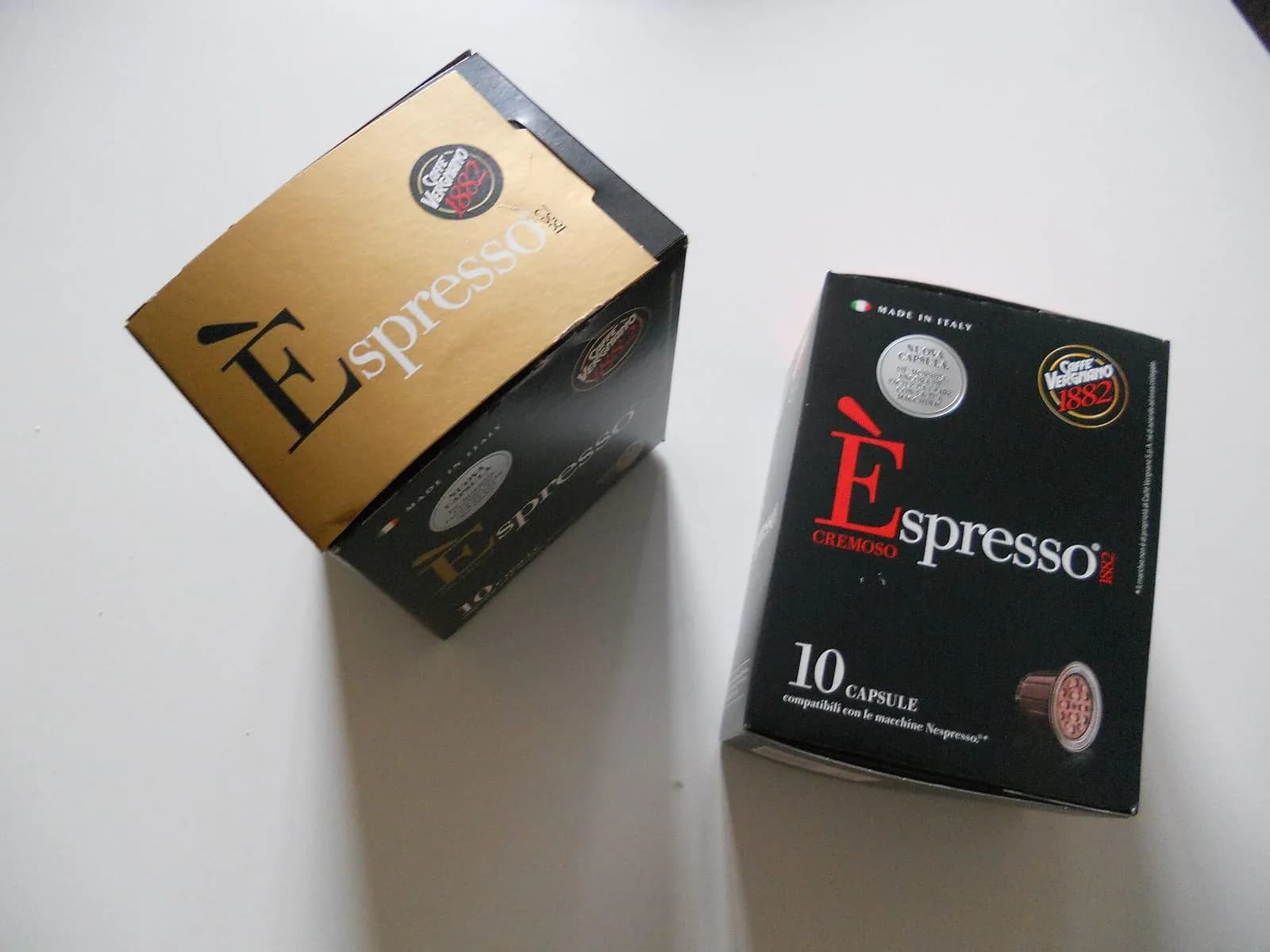
'Compatible with': the legal limit printed on a capsule box
A capsule box may name another brand's machine because EU trade mark law allows it, if the use is honest. The wording, annotated in the margin.

LifestyleFirst look
When the heating fails in a rented home: what the landlord must do, and how fast
Heating broken in a rented home in England? Section 11 of the 1985 Act sets the repair duty, 'reasonable time' has no fixed number, and Awaab's Law is not yet for private renters.