LifestyleBuying guide
Is there a UK ticket resale cap yet? What's law today and what's still a plan
Is there a legal cap on UK ticket resale prices yet? Official texts show a government plan, not a law in force. Here is what is law today and what is not.
In this guide6 sections
- 01Myth: The UK has already capped ticket resale prices
- 02Myth: The cap only covers the big, high-demand shows
- 03Myth: Platforms will simply move the profit into fees
- 04Myth: The CMA's Ticketmaster case already settled this
- 05Myth: Until the cap arrives, nothing in UK law limits resale
- 06Myth: With no cap yet, every resale route is as good as another
Myth: The UK has already capped ticket resale prices
The official response says the government will introduce the cap, and the tense is the whole story. The page, updated 19 November 2025, describes "a resale price cap which prohibits someone from reselling a ticket for more than the original ticket cost." That is a plan. The page cites no bill, and it says legislation will come "when parliamentary time allows", with no date attached.
Margin note: status, still planned. The response is dated 19 November 2025, and there has been some movement since. The government's background notes for the May 2026 King's Speech committed to a draft Ticket Tout Ban Bill that would include the price cap. Full Fact's government tracker, last updated 24 August 2026, says that legislation has not yet been introduced to Parliament. So the cap has been announced, consulted on, answered and promised as a draft bill, and it is not in force. Check Parliament's bills pages before relying on any status claim, this one included.
Myth: The cap only covers the big, high-demand shows
The response says the cap applies to all UK live events, not only high-demand ones. So a small theatre night and a stadium tour fall under the same planned rule.
The benchmark is "original ticket cost", and the text defines it with some care. It includes unavoidable transaction costs paid on the original purchase, such as service and delivery fees. It leaves out optional extras like pre-ordered food and drink. Where a fixed fee is spread across several tickets, only the per-ticket share counts. For complimentary or discounted tickets, the benchmark is an equivalent full-price ticket.
A historical illustration shows why that matters. A March 2024 Which? comparison priced one Ticketmaster ticket at £45 face value plus a £6.10 service charge, a £1.75 facility charge and a £2.75 order processing fee, £55.60 in all. If all three were treated as unavoidable, £55.60 would be the ceiling for resale. Those are 2024 figures, not current prices, and the final rules decide which fees count.
Myth: Platforms will simply move the profit into fees
The response anticipates this one. It rejected an all-in cap of 115% and says it will set a separate cap on resale service fees, so platforms cannot get round the price cap through fees. The level has not been decided; the government says it will gather evidence and consult industry.
Platforms would also carry strict legal duties to make sure listings comply, and reselling more tickets than the reseller was entitled to buy would become unlawful. Breaches would be enforced under Part 3 of the Digital Markets, Competition and Consumers Act 2024, with fines of up to 10% of global turnover. A licensing regime for resellers was not taken forward for now; the government says it will revisit it if enforcement proves inadequate.
Margin note: two details are still open. The fee cap has no number, and the narrow exemptions (registered charities reselling for fundraising, and debenture holders, both only where the organiser authorises it) are not yet defined; the government says it will continue to examine how they could be defined and administered.

Myth: The CMA's Ticketmaster case already settled this
The case page tells a different story. The CMA opened its consumer protection case on 5 September 2024, and Ticketmaster signed undertakings on 15 September 2025. The CMA published them and closed the case on 25 September 2025. They were given voluntarily and without admission of liability.
The commitments cover 24 hours' notice when tiered pricing is used, more price information during online queues, and an end to misleading ticket labels. Ticketmaster must also report regularly to the CMA for two years after giving the undertakings. None of that is a resale cap. The page also does not record a finding that Ticketmaster broke the law, and it says it should not be assumed that it did.
Margin note: press coverage has reported that the CMA found no dynamic pricing in the Oasis sale. That statement was not on the case page cited here, so treat it as reported, not confirmed.
Myth: Until the cap arrives, nothing in UK law limits resale
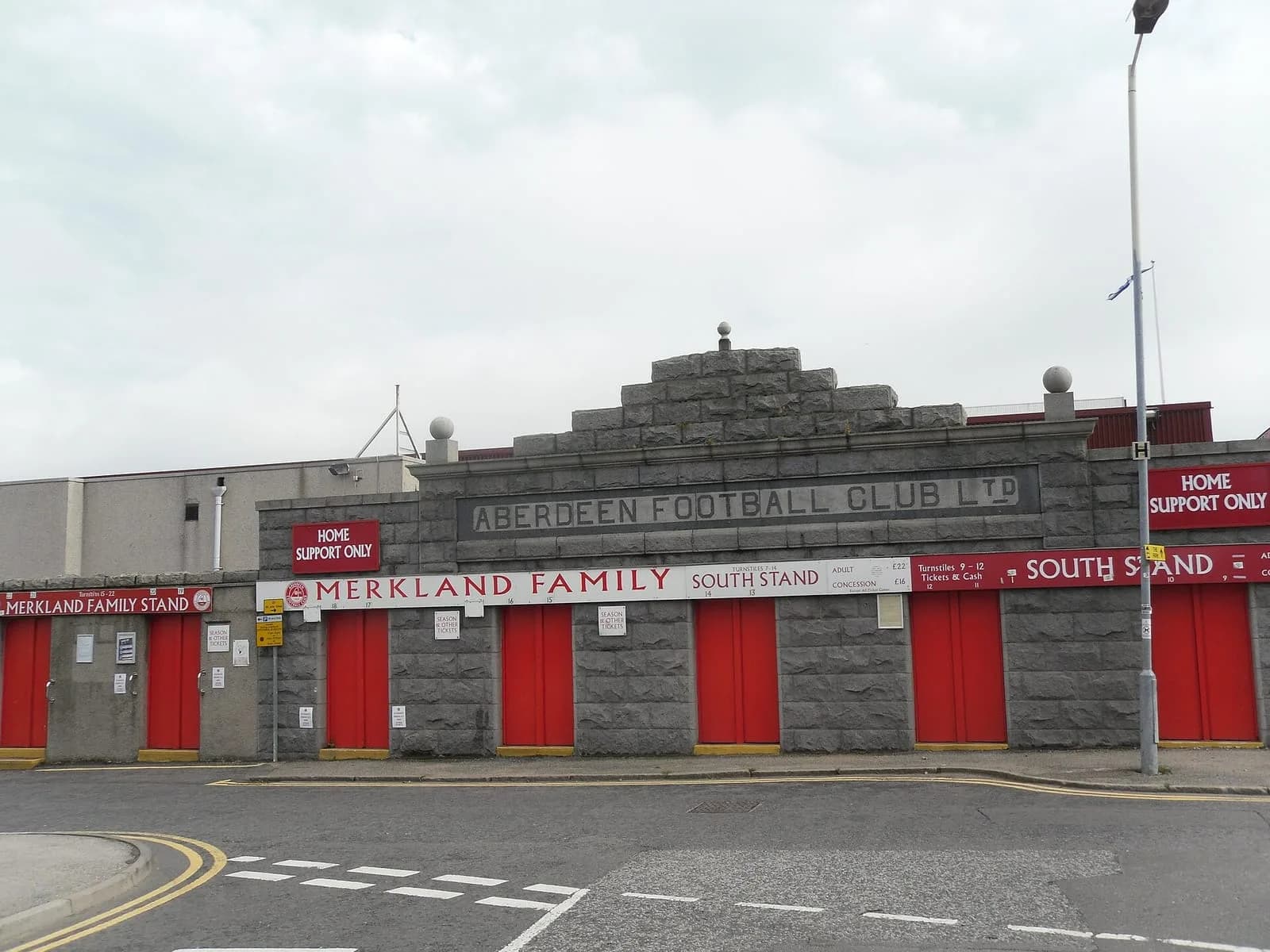
For football, there is a statute in force now. Section 166 of the Criminal Justice and Public Order Act 1994 makes it an offence for an unauthorised person to sell a ticket for a designated football match, or otherwise dispose of it to another person. "Unauthorised" means not authorised in writing by the match organisers. "Selling" includes offering, advertising and making a ticket available for sale. The penalty on summary conviction is a fine not exceeding level 5, with no custodial term.
Notice what it does not do. It sets no price ceiling; the offence is the unauthorised sale, at any price. Designated matches are set by order of the Secretary of State, and the section can be extended to other sporting events with 6,000 or more tickets on sale. Whether a given fixture is currently designated is not something the statute page shows, so check before assuming. Clubs may also have their own sanctions, which the statute does not cover.
So the honest map today is patchy. Football has an offence. Concerts and theatre have no resale price cap yet.

Myth: With no cap yet, every resale route is as good as another
The routes differ in what they promise in writing. Twickets says it is "proudly capped at face-value (+ fees)": sellers list for free, and buyers pay a booking fee of 10 to 15% of the listed price. Tottenham's Ticket Exchange, which only season ticket holders, 1882 season ticket holders and premium members can list on, sells at face value plus a small administration fee, and the page does not publish the amount. Listings run until four hours before kick-off for home league matches.
By contrast, the AXS Official Resale terms (effective 12 November 2018) say the seller fee varies by event and venue, and that buyers may pay buyer, transfer or logistics fees. That page states no resale cap percentage.
The risk is not only price. Government figures put gig ticket scam losses at about £1.6 million in 2024, with roughly 3,700 Action Fraud reports. Its advice: buy from the venue box office or an official ticketing website, avoid bank transfers and virtual currency, and pay by credit card when using secondary sellers. This is general information; your card terms and the seller's own conditions decide what protection applies.
Common questions
Is it illegal to resell a ticket above face value in the UK today?
There is no general resale price cap in force according to the official response cited here, which describes the cap as planned. Football is different: section 166 of the 1994 Act makes unauthorised sale of a designated match ticket an offence, whatever the price.
Would the cap include booking fees?
The plan says original ticket cost includes unavoidable transaction costs, such as service and delivery fees. Optional extras such as food and drink are excluded. The exact treatment is for the final rules.
When will the cap start?
No date has been given. The government's response says legislation will come when parliamentary time allows, and the May 2026 King's Speech promised a draft Ticket Tout Ban Bill, not a start date. Check Parliament's bills pages for the current position.
Sources
- Government response to the consultation on the resale of live events tickets
- Ticketmaster consumer protection case (CMA)
- Criminal Justice and Public Order Act 1994, section 166
- Twickets: how it works
- Tottenham Hotspur Ticket Exchange
- AXS Official Resale purchase agreement (UK)
- £1.6m lost to gig ticket scams as public urged to take caution
- Which?: event tickets and sneaky fees comparison (March 2024)
Read next
LifestyleFirst look
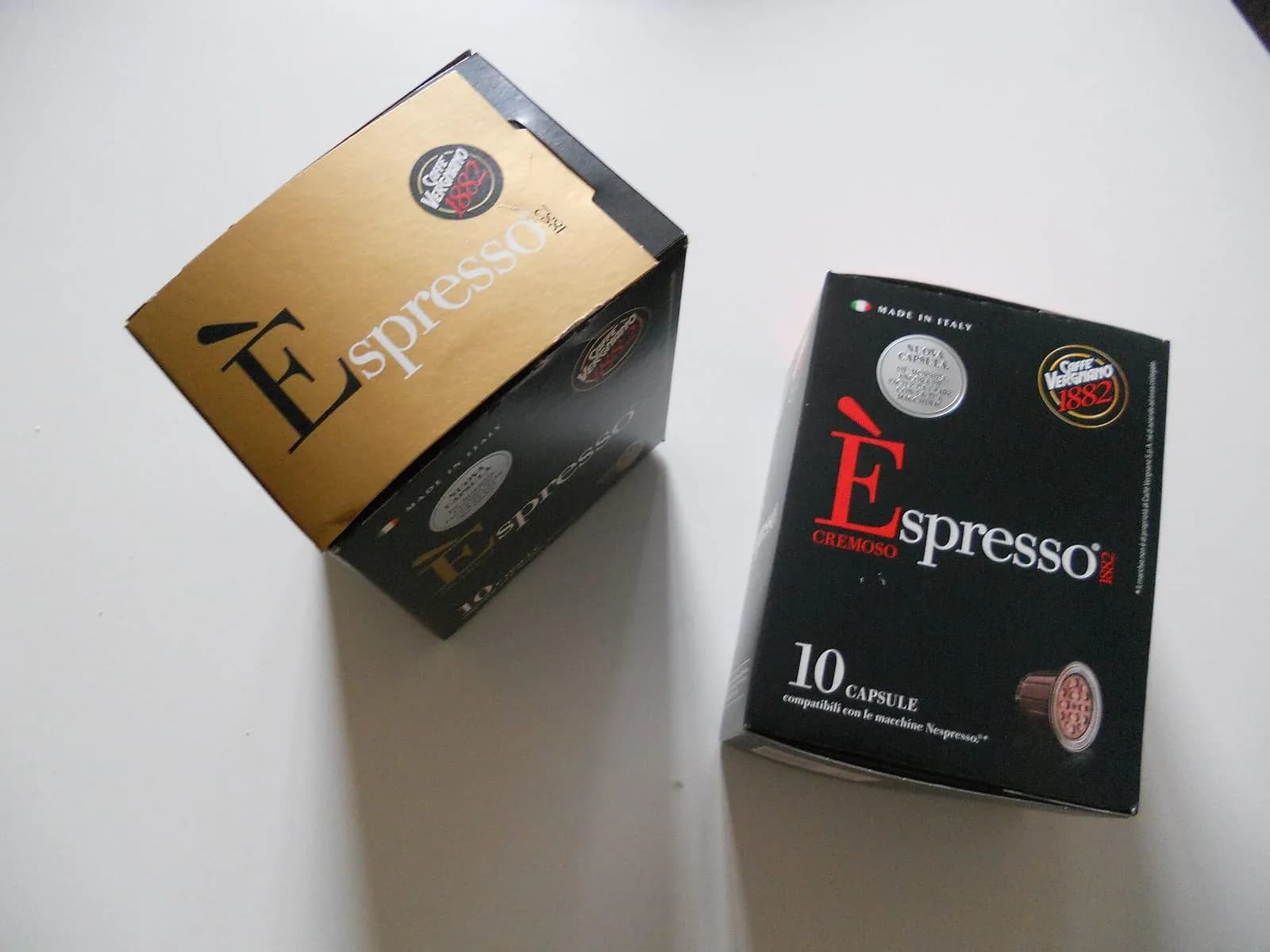
'Compatible with': the legal limit printed on a capsule box
A capsule box may name another brand's machine because EU trade mark law allows it, if the use is honest. The wording, annotated in the margin.

LifestyleFirst look
When the heating fails in a rented home: what the landlord must do, and how fast
Heating broken in a rented home in England? Section 11 of the 1985 Act sets the repair duty, 'reasonable time' has no fixed number, and Awaab's Law is not yet for private renters.

LifestyleReview
Smoke and CO alarm rules for renters: the 2022 regulations annotated in eight questions
What a landlord in England must fit, test and repair under the 2022 alarm regulations, read clause by clause, with Scotland and Wales set alongside.