LifestyleBuying guide
Jewellery returns at Christmas: eight clauses behind the 31 January date
F.Hinds says eligible Christmas purchases can come back until 31 January, but pierced earrings, engraving and special orders usually sit outside it. Eight clauses, annotated.
In this guide11 sections
- 01Why a returns date is only half the answer
- 021. 'Eligible' is doing all the work
- 032. Pierced earrings carry a hygiene clause
- 043. Engraving ends the conversation
- 054. Special orders and out-of-range rings are carved out too
- 065. Sale items: the clause that isn't there
- 076. 'Unused, in pristine condition, with all packaging'
- 087. Whose name is on the receipt
- 098. Two clocks run online: the law's and the shop's
- 10A checklist to run before you pay
- 11The short version, written in the margin
Why a returns date is only half the answer
An extended Christmas return reads like a generous gesture, and for plenty of purchases it is. F.Hinds' returns page, as seen on 15 November 2026, carries a banner saying that eligible items bought on or after 1 November can be returned or exchanged until 31 January. Nearly three months of slack. The catch hides in one word of that sentence: eligible.
This piece reads the small print the way a margin reader would, one clause at a time, quoting or paraphrasing what the page says and annotating it against UK consumer rules. It is a reading of published policy, dated November 2026, and policies change. It is general information, not legal advice. Where the wording is silent, we say so rather than guess.

1. 'Eligible' is doing all the work
The clause, as the banner reads: "Any eligible items purchased on or after 1st November can be returned or exchanged up until 31st January." It leads the list because every other clause is a carve-out from it. And it is goodwill, not law. In the UK a shop need not take back a non-faulty item bought in store, so its published policy is the whole deal, and many shops stretch it at Christmas (Which?, September 2026).
Annotation: the banner sits beside the standard 30-day change-of-mind guarantee. For online orders the page counts 30 days from dispatch; for in-store purchases it does not say when the 30 days start. Tip: screenshot the banner on the day you buy, since the page carries no date, and ask whether the count runs from purchase, dispatch or delivery.
2. Pierced earrings carry a hygiene clause
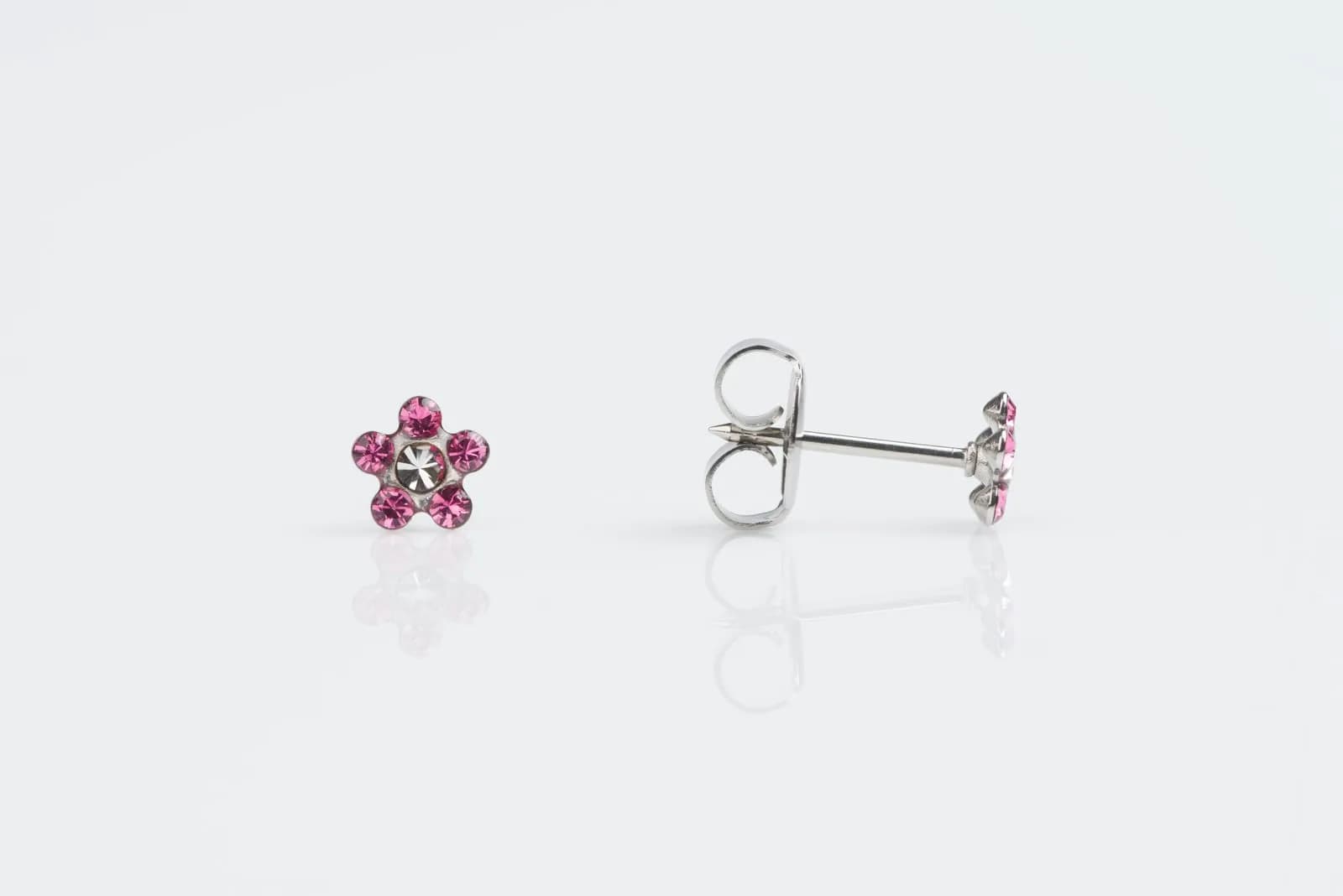
The clause, in short: pierced jewellery, meaning earrings and body jewellery, often cannot be returned or exchanged in store, because once the goods have left the store they cannot be taken back for hygiene reasons. Pay & Collect earrings can be refunded only while the buyer is still in the store. It is the exclusion most likely to catch a Christmas giver, since the person who pays is rarely the person who opens the box.
Annotation: "often" is not "never", and the page does not say which rule it relies on. GOV.UK's hygiene exclusion covers sealed items that cannot be returned for health or hygiene reasons; whether a given pair counts is for the policy wording, or the seller, to settle. Tip: with Pay & Collect, check the pair at the counter, because that is the refund window.

3. Engraving ends the conversation
The clause, in short: personalised items are outside the 30-day guarantee. The returns page does not name engraving, but engraving is a personalised service, so a reasonable reading puts it inside the exclusion. That is an inference, not a published line. F.Hinds' engraving page lists gold, silver, silver plate, glass and titanium, says the work is done at Head Office, and gives no lead time, character limit or price.
Annotation: the law points the same way. GOV.UK says personalised or custom-made goods fall outside the 14-day online cancellation right and qualify for a refund only if faulty, and Which? calls them very unlikely to be returnable under a shop's non-faulty policy. Tip: unwanted and faulty are different categories, and a typo you supplied is not obviously a fault. Proofread the text twice, then ask.
4. Special orders and out-of-range rings are carved out too
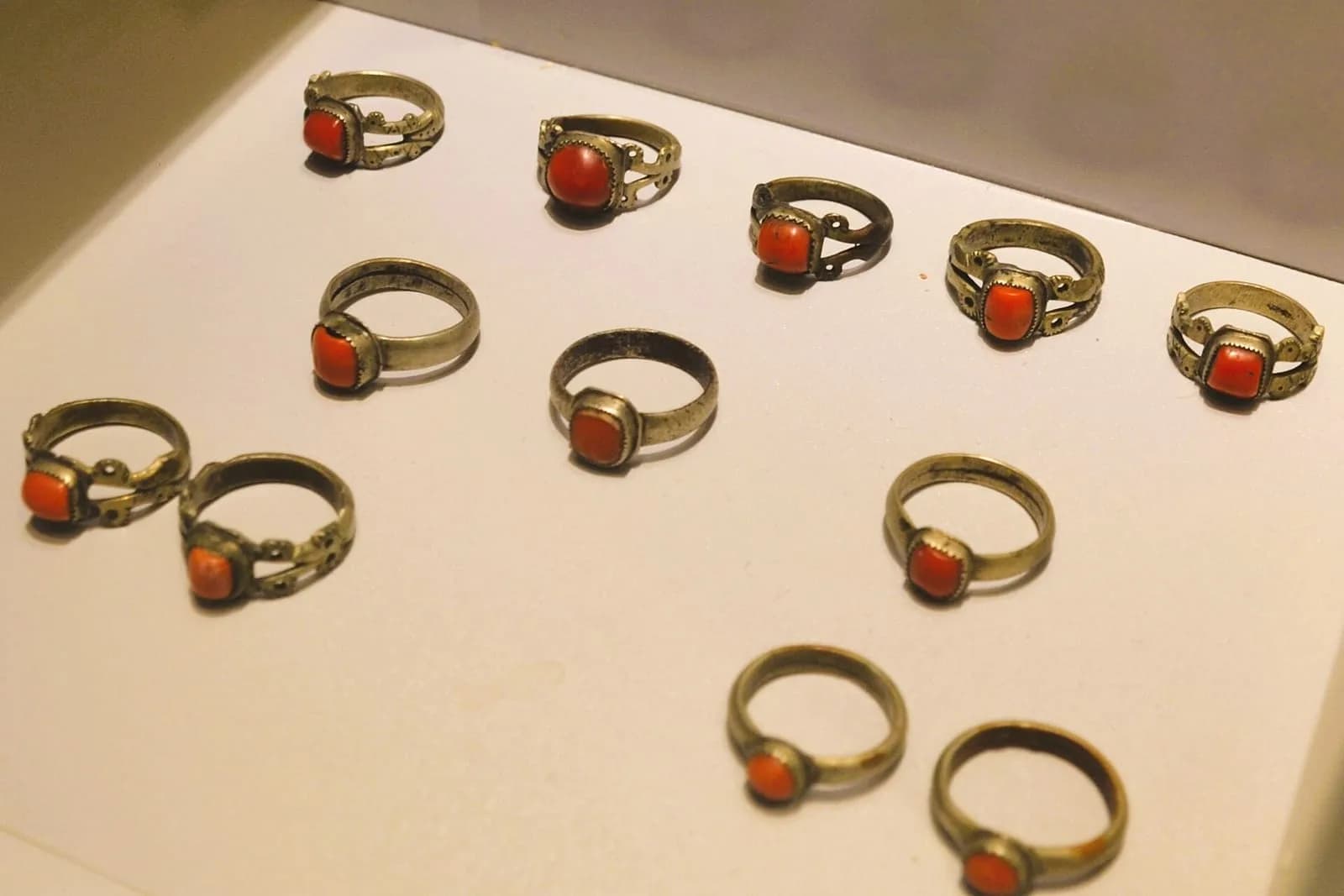
The clause, in short: specially ordered items, rings outside the standard size range (I to U for ladies, P to Z for men) and smartwatches paired with a device are excluded, and out-of-range rings may carry a Bespoke Item Charge. Read across, the common thread looks like pieces a shop cannot easily put back on a shelf. That is our reading, not the page's words.
Who it catches: the buyer who orders a ring without noticing it sits outside the range. Tip: before paying, ask whether the exact item is held in stock or ordered in for you, and whether its size is in range. The answer decides which row of the table near the end it falls into.
5. Sale items: the clause that isn't there
The clause: there isn't one. The returns page does not address sale items, and silence cuts both ways. Seasonal reductions are common in the same weeks the 31 January date covers, and nothing on the page says whether reduced items count as eligible.
Annotation: for online orders, the exclusions GOV.UK lists (personalised goods, perishables, newspapers, unwrapped discs and software, sealed hygiene items) do not mention a reduced price. The 31 January extension, though, is F.Hinds' own, and its reach over sale stock is unstated. Tip: ask in plain words, "Is this item eligible for 31 January at its sale price?"

6. 'Unused, in pristine condition, with all packaging'
The clause, quoted: "Goods must be returned unused, in pristine condition, with all packaging and in the same condition as received." It earns a place because it applies to everything that survives the earlier exclusions, and a gift is exactly the thing opened by someone other than the buyer. A discarded box, or a pouch lost in the wrapping paper, is how a returns window quietly closes.
Annotation: "pristine" is the shop's judgement, and the page does not define it. Tip: ask the recipient, kindly, to keep every box, bag and card until 31 January, and to hold off wearing the piece until they are sure they want it.
7. Whose name is on the receipt
The clause, quoted from GOV.UK: "You only have to accept returns from the person who bought the item." So a recipient has no statutory right to return a gift; the page does not discuss gifts directly, so that is an inference from the sentence. Which? gives the practical fix: "ask for a gift receipt so that they can change it themselves." A gift receipt is shop policy, not a right.
Annotation: F.Hinds' page asks for the order confirmation or returns form for in-store returns at its branches in England and Wales, and does not mention gift receipts. Postal returns are not prepaid, go to Online Customer Services rather than a store, and without proof of arrival no refund can be issued. Tip: decide before Christmas who will make any return, and keep proof of postage.
8. Two clocks run online: the law's and the shop's
The clause: under the Consumer Contracts Regulations, an online, phone or mail-order buyer has 14 days from receipt to cancel for any reason, then 14 more days to send the goods back. The seller must refund within 14 days of receiving them, and standard delivery costs come back too. Deductions are allowed only for use or damage. F.Hinds extends the cooling-off to 30 days, counted from dispatch rather than receipt.
Annotation: counted from dispatch, the shop's clock starts earlier than the law's but runs longer. F.Hinds says refunds go to the original payment method as soon as reasonably possible and at the latest within 30 days of agreeing to refund; gift-card payments come back as a new gift card by post. Tip: the statutory right belongs to the buyer, so these dates matter most when the buyer, not the recipient, is returning.
A checklist to run before you pay
Ten quick checks, each with its reason. None replaces the policy wording on the day.
Screenshot the returns banner and exclusions on the day you buy. The page shows no date, and policies change.
Ask whether your exact item is "eligible" for 31 January. The page does not define the word and says nothing on sale items.
Ask what the 30 days count from. The page gives dispatch for online orders but no start point for in-store purchases.
Treat earrings as probably final. Hygiene is the stated reason, and a Pay & Collect refund lasts only while you are still in the store.
Treat engraving as final. Personalised items are excluded, and the law offers a refund only for a fault.
Ask whether the piece is stock or specially ordered, and whether a ring is in the standard size range. Both are named exclusions.
Ask for a gift receipt and keep the order confirmation. A recipient has no statutory right to return, and in-store returns ask for the confirmation or returns form.
Ask the recipient to keep all packaging. The condition is unused, pristine, with all packaging.
Keep proof of postage for any posted return. Returns are not prepaid, and no refund is issued without proof of arrival.
Put a reminder in the calendar a week before 31 January. A postal return needs time to arrive, and arrival is what gets the refund.
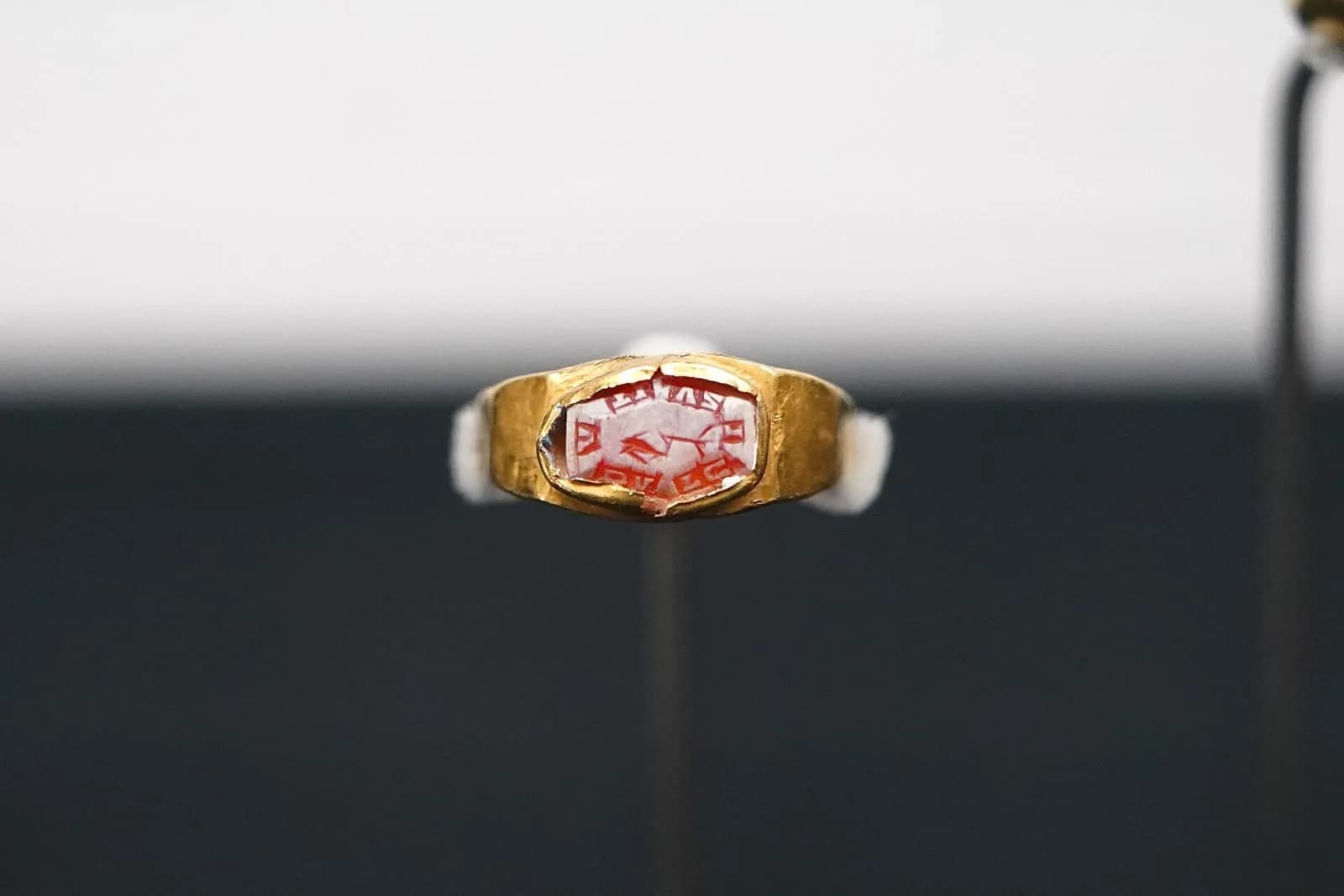
The short version, written in the margin
The 31 January date is real, but it is a favour with conditions, and the conditions live in the exclusions. To confirm eligibility for a specific piece, the F.Hinds online sales line is 01895 201040 (option 2) and the email is [email protected]; the returns page lists phones as staffed weekdays 9am to 5pm. Terms are as of November 2026, and the policy wording, not this piece, decides.
Side by side
| F.Hinds policy (November 2026) | Statutory online right (GOV.UK) | |
|---|---|---|
| Ordinary non-faulty item | 30-day guarantee; eligible items bought from 1 November until 31 January | 14 days from receipt to cancel for any reason, 14 more to send back |
| Pierced earrings | Often cannot be returned in store; Pay & Collect refund only while in the store | Earrings not named; sealed items that cannot be returned for hygiene reasons are excluded |
| Engraved or personalised | Personalised excluded; engraving not named, likely covered | Excluded; refund only if faulty |
| Special order or out-of-range ring | Excluded; out-of-range rings may carry a Bespoke Item Charge | Custom-made goods excluded; other special orders not addressed |
| Sale item | Page does not say | Not among the listed exclusions |
| Gift recipient returning | Gift receipt is shop policy; page does not mention one | No right; seller need only accept returns from the buyer |
Common questions
Can the person who received the jewellery return it without me?
Not as of right. GOV.UK says a seller only has to accept returns from the buyer. A gift receipt is shop policy, so ask for one when you pay.
Can engraved jewellery be returned if they simply don't like it?
Almost certainly not. F.Hinds excludes personalised items, and GOV.UK says personalised goods qualify for a refund only if faulty. The page does not name engraving, so ask first.
Does 31 January apply to everything bought from 1 November?
Only to eligible items, per the banner. Personalised and specially ordered items, out-of-range rings and paired smartwatches are excluded, and pierced earrings often cannot come back; the page is silent on sale items.
Read next

LifestyleBuying guide
Is there a UK ticket resale cap yet? What's law today and what's still a plan
Is there a legal cap on UK ticket resale prices yet? Official texts show a government plan, not a law in force. Here is what is law today and what is not.
LifestyleFirst look
'Compatible with': the legal limit printed on a capsule box
A capsule box may name another brand's machine because EU trade mark law allows it, if the use is honest. The wording, annotated in the margin.

LifestyleFirst look
When the heating fails in a rented home: what the landlord must do, and how fast
Heating broken in a rented home in England? Section 11 of the 1985 Act sets the repair duty, 'reasonable time' has no fixed number, and Awaab's Law is not yet for private renters.