LifestyleHead to head
Fixing before January? Read the exit fee and end date first
A fixed energy deal can beat the cap or lock in a worse rate. Ten terms to check first, from exit fees to the end date, before Ofgem's January figure lands.

In this guide5 sections
Why the small print matters more than the headline price
A fixed energy deal is sold on one idea: the price stays put. Whether that protects you or just swaps one bet for another depends on terms most people never read. This is general information, not a tariff recommendation. The terms that decide it sit in the margins: the exit fee, the standing charge, the end date and what happens when the deal ends.
The timing is awkward. As of 15 November 2026 the cap for 1 October to 31 December works out at about £1,723 a year for a typical dual-fuel household paying by Direct Debit, according to Uswitch. The January to March figure is due on or before 25 November 2026, and until then it's a forecast. Cornwall Insight's page, last updated 13 November, puts it at £1,999.28, built on 28 September market prices, with its next update due on 18 November. Uswitch's table, which averages supplier forecasts, gives about £2,182. The two forecasts sit roughly £180 apart on a typical bill.
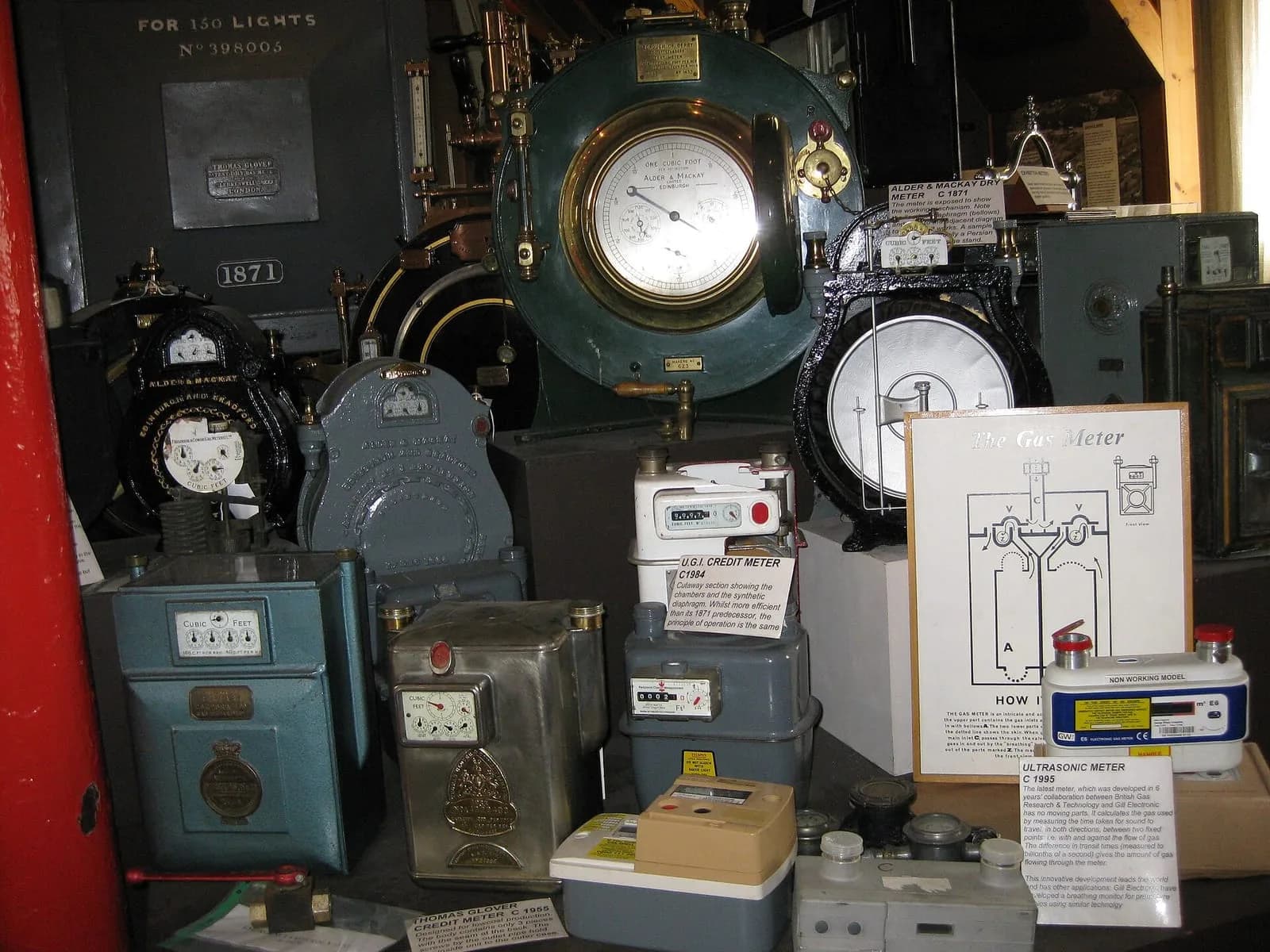
What a cap promises, and what a fix promises
Ofgem's explainer defines the cap as "the maximum amount your supplier can charge for a unit of energy and standing charge together." It adds, in plain terms, that it "does not limit the cost of your total bill." The cap is also reset every three months, and fixed customers sit outside it: "You are not affected by the changes to the energy price cap if you have changed to a fixed rate tariff."
So the two products promise different things. One is a ceiling on rates that moves each quarter. The other is a set of rates held for a term, with a price attached to leaving early. A fix stays put if the cap rises. It also stays put if the cap falls, and that's the half people forget.
Ten lines to check before you fix
Run through these against the tariff page or the supplier's key terms. Each is one instruction and the reason for it.
Note when Ofgem's January figure is due and price the fix against it once it's published. The forecasts are about £180 apart, so a comparison with a guess can flatter or punish the deal.
Compare unit rates and standing charges separately, not just the annual total. Ofgem's current Direct Debit cap rates are 26.32p/kWh plus 54.83p a day for electricity and 7.97p/kWh plus 29.68p a day for gas, and a single total hides which part you're really paying for.
Check the usage behind any quoted annual cost. A typical-household figure is only an illustration, and Ofgem says what you pay depends on how much your household uses, so rerun the sums with your own meter readings.
Find the exit fee and note whether it's charged per fuel. Uswitch's July 2026 table has most between £50 and £100 per fuel, a few at £0, and says a dual-fuel exit can come to about £200.
Check the date on every price you see. Octopus's 12M Fixed was £1,780 a year with a £50 exit fee per fuel on 27 May 2026; that was a snapshot against the July cap, not today's offer, and the same goes for any comparison table.
Write down the end date and set a reminder 49 days before it. Uswitch says no exit fee applies in the final 49 days of a fix; confirm the exact window in the supplier's own terms.
Note the cooling-off window. Uswitch lists no exit fee in the first 14 days, which leaves a short exit if the numbers don't match what you expected; the supplier's wording says how to cancel.
Ask what you move to when the deal ends. Ofgem's explainer says the cap protects standard variable tariffs, so it matters which one you land on and at what rate, and only the supplier's terms answer that.
Ask how the rates treat VAT. Electricity carries no VAT from 1 October 2026 to 31 March 2027 and gas is at 5%, so a 12-month fix started now runs past that window.
If you use little energy, ask about low standing charge structures and run the maths. Ofgem's one-year pilot, which started in June 2026 with EDF, E.ON, Octopus and British Gas as initial participants, could save dual-fuel customers about £150 a year on standing charges, but unit rates are higher, so the total may not fall.
Three lines of small print, annotated
"You are not affected by the changes to the energy price cap if you have changed to a fixed rate tariff." This is Ofgem's wording, and it reads like reassurance. It's neutral. A fix is shielded from a January rise and equally shielded from any later fall, so the question is which of those you think more likely, and the cap announcement is the nearest evidence.
"If you're within the final 49 days of your fixed deal, you won't have to pay any exit fees." This is Uswitch's wording from July 2026. It turns a penalty clause into a calendar entry, which makes the end date one of the most important lines in the contract. Lose track of it and you either pay to leave or drift onto whatever the supplier moves you to.
"Many exit fees are still as much as £100 per fuel." Double that for dual fuel. Octopus's May 2026 release put the saving on its 12M Fixed at about £82 a year against the July 2026 cap, while a dual-fuel exit at £50 per fuel would be £100. A saving that size is smaller than the fee to leave, so it only holds if you stay for the whole term.
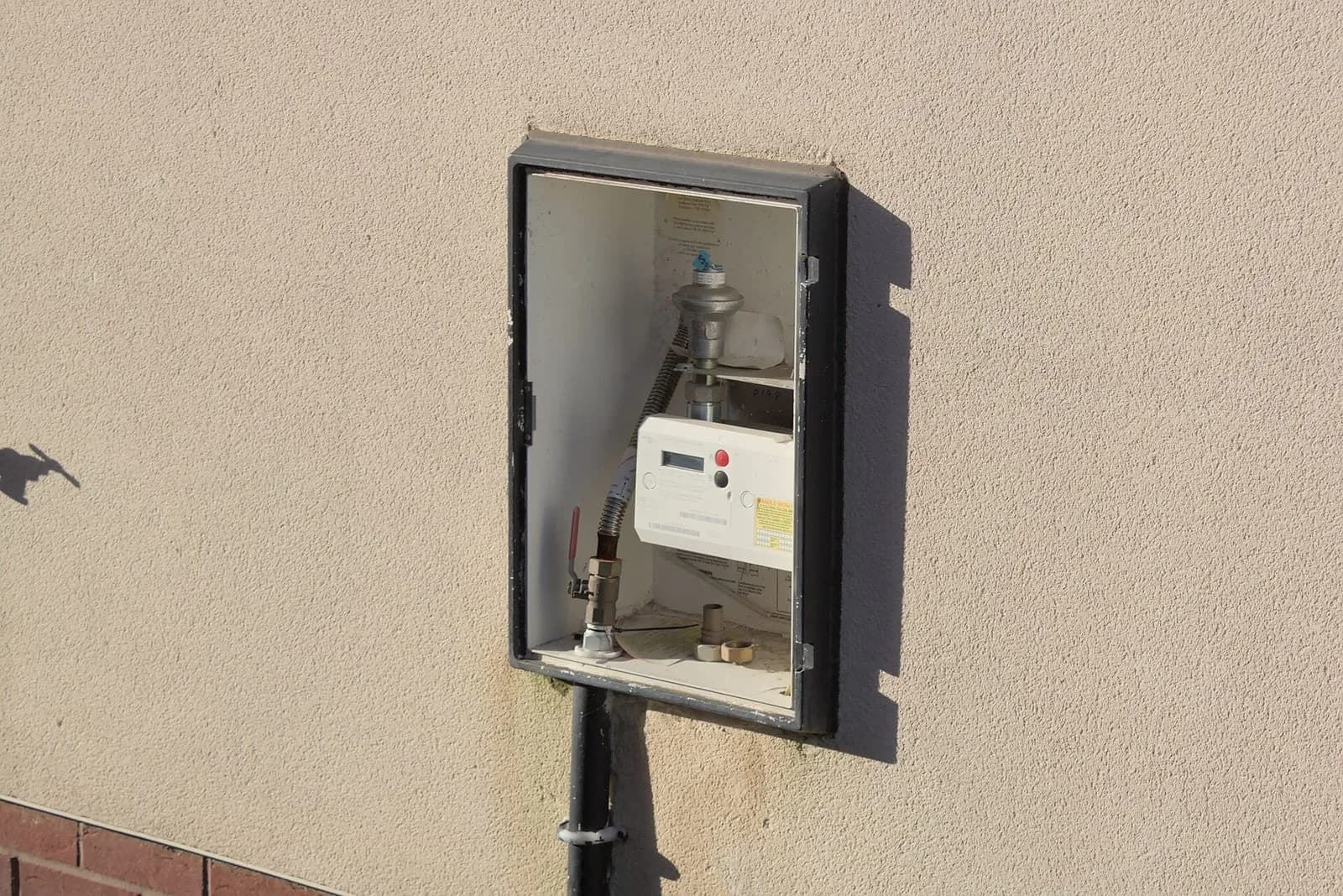
Should you check a fix now?
Reading the terms now costs nothing. Comparing prices gets easier once Ofgem publishes the January cap, due on or before 25 November, because it stops being a forecast. The case for a fix is a view that rates will rise and stay up; the case against is that you've traded a quarterly ceiling for a longer commitment with a fee to leave. Neither is right for every household, and the supplier's terms, or an independent adviser, settle how it applies to yours.
Fixed-deal prices change often, and the dated figures here are not today's offers, so confirm any price on the supplier's own page on the day you compare.
Side by side
| Price cap tariff | Fixed tariff | |
|---|---|---|
| What's held | A ceiling on unit rate and standing charge, reset every three months | Your rates, for the length of the deal |
| Affected by Ofgem's January announcement | Yes, rates can rise or fall | No, per Ofgem's wording |
| Cost of leaving early | Uswitch lists no exit fee on standard variable tariffs | Often £50 to £100 per fuel; some £0 (Uswitch, July 2026) |
| Total bill | Rises with how much you use | Rises with how much you use |
Common questions
When will the January price cap be known?
Uswitch states Ofgem's announcement is due on or before 25 November 2026. Until it's published, figures such as Cornwall Insight's £1,999.28 and Uswitch's about £2,182 are forecasts.
Does the price cap protect me on a fixed tariff?
Ofgem says you are not affected by changes to the cap if you have moved to a fixed rate tariff. The cap applies to default and standard variable tariffs.
Will I always pay an exit fee to leave a fix?
Not always. Uswitch's July 2026 guide says many fees are £50 to £100 per fuel and some suppliers charge £0. It also says none applies in the first 14 days or the final 49 days. Your own terms decide.
Sources
- Energy price cap explained (Ofgem)
- Changes to the energy price cap between 1 October and 31 December 2026 (Ofgem)
- Energy price cap unit rates and standing charges (Ofgem)
- Lower standing charge tariffs: next steps (Ofgem)
- Predictions and insights into the default tariff cap (Cornwall Insight)
- Energy price cap forecast and rise (Uswitch)
- Energy exit fees guide (Uswitch)
- Octopus Energy keeps prices below the cap as energy bills rise again (Octopus Energy)
Read next
LifestyleBuying guide
Is there a UK ticket resale cap yet? What's law today and what's still a plan
Is there a legal cap on UK ticket resale prices yet? Official texts show a government plan, not a law in force. Here is what is law today and what is not.
LifestyleFirst look
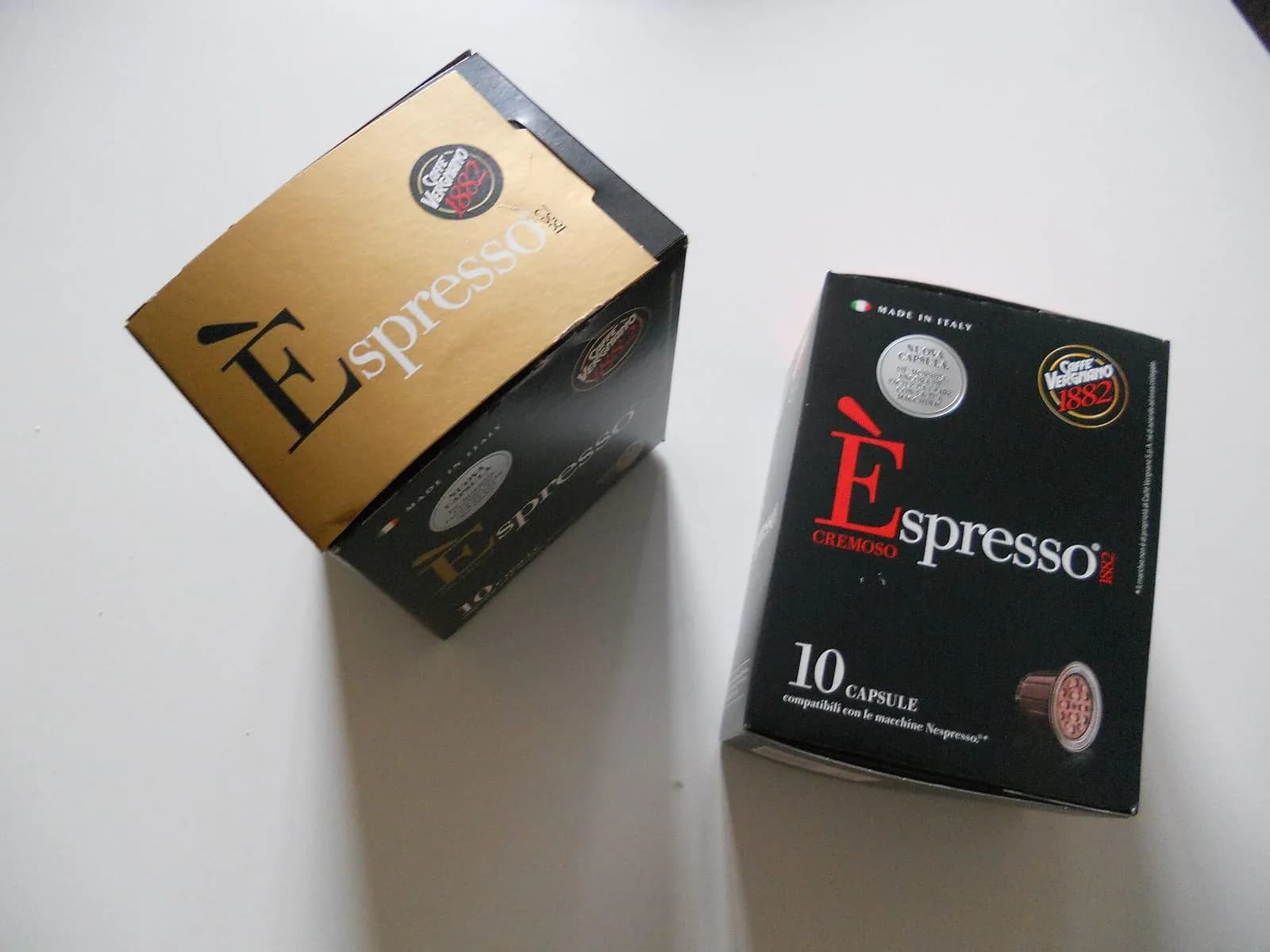
'Compatible with': the legal limit printed on a capsule box
A capsule box may name another brand's machine because EU trade mark law allows it, if the use is honest. The wording, annotated in the margin.

LifestyleFirst look
When the heating fails in a rented home: what the landlord must do, and how fast
Heating broken in a rented home in England? Section 11 of the 1985 Act sets the repair duty, 'reasonable time' has no fixed number, and Awaab's Law is not yet for private renters.