HealthBuying guide
“99.99% effective” on the box: reading the footnotes on oral-care claims
Oral-care percentages often rest on a lab test or a narrow comparison. Here is what the ASA and FTC say, what the Cochrane review found, and how to read the footnotes.
In this guide6 sections
- 01Myth: A big percentage on the box proves it works in your mouth
- 02Myth: “Clinically proven” means the product does what the front says
- 03Myth: A lab or ingredient study is as good as a trial in people
- 04Myth: A badge on the pack means someone checked the percentage
- 05Myth: A seal or claim on a flosser covers the whole range
- 06Myth: Studies prove floss and flossers prevent cavities
Myth: A big percentage on the box proves it works in your mouth
The evidence shows a number can be true in a dish and meaningless at the sink. In 2016 the ASA upheld a complaint about a Nuby toddler toothpaste advertised as '99.99% effective against oral bacteria' and as helping prevent tooth decay (ruling A16-335945, dated 27 July 2016). The lab test behind it, the ASA said, did not reflect real brushing: brushing time, saliva and rinsing were missing, it was not controlled or blinded, and it left out the bacteria strain most responsible for acid-producing decay. A study the ASA saw only as an abstract tested plaque after a single brushing with fluoride toothpaste, so it did not back the claims either.
The ASA found breaches of CAP Code rules 3.1, 3.7, 3.11 and 12.1 and said the ad must not run again in its current form. A very high percentage often describes a very narrow test.
Myth: “Clinically proven” means the product does what the front says
The evidence shows the phrase is only as wide as the study behind it. The FTC's health-products guidance treats 'clinically proven' as implying that testing proves the benefit claimed, so the claim must match the specific benefit the study measured. Its example is a brain-training ad claiming to be 'clinically proven to improve memory' when the study behind it tested only working memory.
Carry that over to a mouth and the gap is easy to see: a study of plaque after some weeks of use is not a study of cavities. The FTC's example is not about oral care, but the same logic applies. The ASA took a similar line on the Nuby ad, saying the advertiser needed human trials of sufficient duration that accounted for diet and oral hygiene habits.
Myth: A lab or ingredient study is as good as a trial in people
The evidence shows regulators rank them very differently. The FTC says testimonials, anecdotes, and animal or in vitro studies alone are not enough. It calls randomised controlled trials the most reliable evidence and lists what good ones have: a control group, randomisation, double-blinding, statistically significant results and clinically meaningful outcomes.
There is a second trap. The evidence must be relevant to the advertised product, so a study of one ingredient may not support a claim about the finished tube or rinse. And the ASA noted that fluoride is generally accepted as effective against decay, so it expected strong evidence for the non-fluoride ingredient in the Nuby paste. When a footnote says 'in vitro', 'laboratory' or 'after a single brushing', you have found the narrow comparison.
Myth: A badge on the pack means someone checked the percentage
The evidence shows the two big badges check the product, under different rules. The ADA Seal means its Council on Scientific Affairs independently reviewed safety and effectiveness. For floss and other interdental cleaners, the ADA's floss page says a product used with brushing must show it reduces plaque and gingivitis better than brushing alone, its ingredients must be safe in the mouth, and unsupervised use must not damage gums, hard tissue or restorations. Submissions include clinical and/or laboratory data, and over-the-counter products need independent lab or clinical testing. The ADA's Seal page says more than 400 products in 21 categories have earned it, and each award lasts five years.
The Oral Health Foundation's programme says it checks that manufacturers' claims are 'clinically proven and not exaggerated', using an independent panel of international dental experts. It lists more than 150 approved products sold in 60 countries. Neither page says it audits every figure printed elsewhere on the pack, so read the badge and the number separately.
Myth: A seal or claim on a flosser covers the whole range
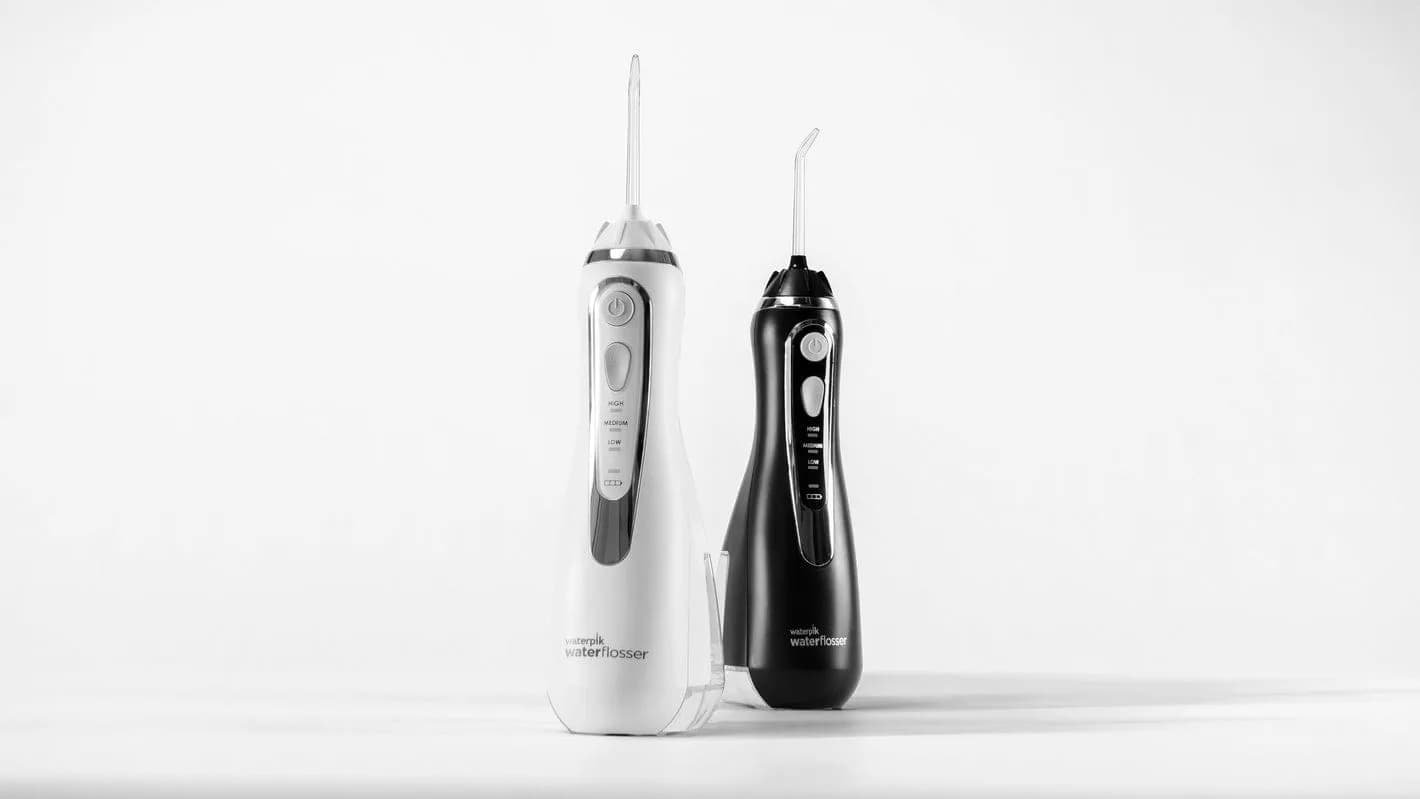
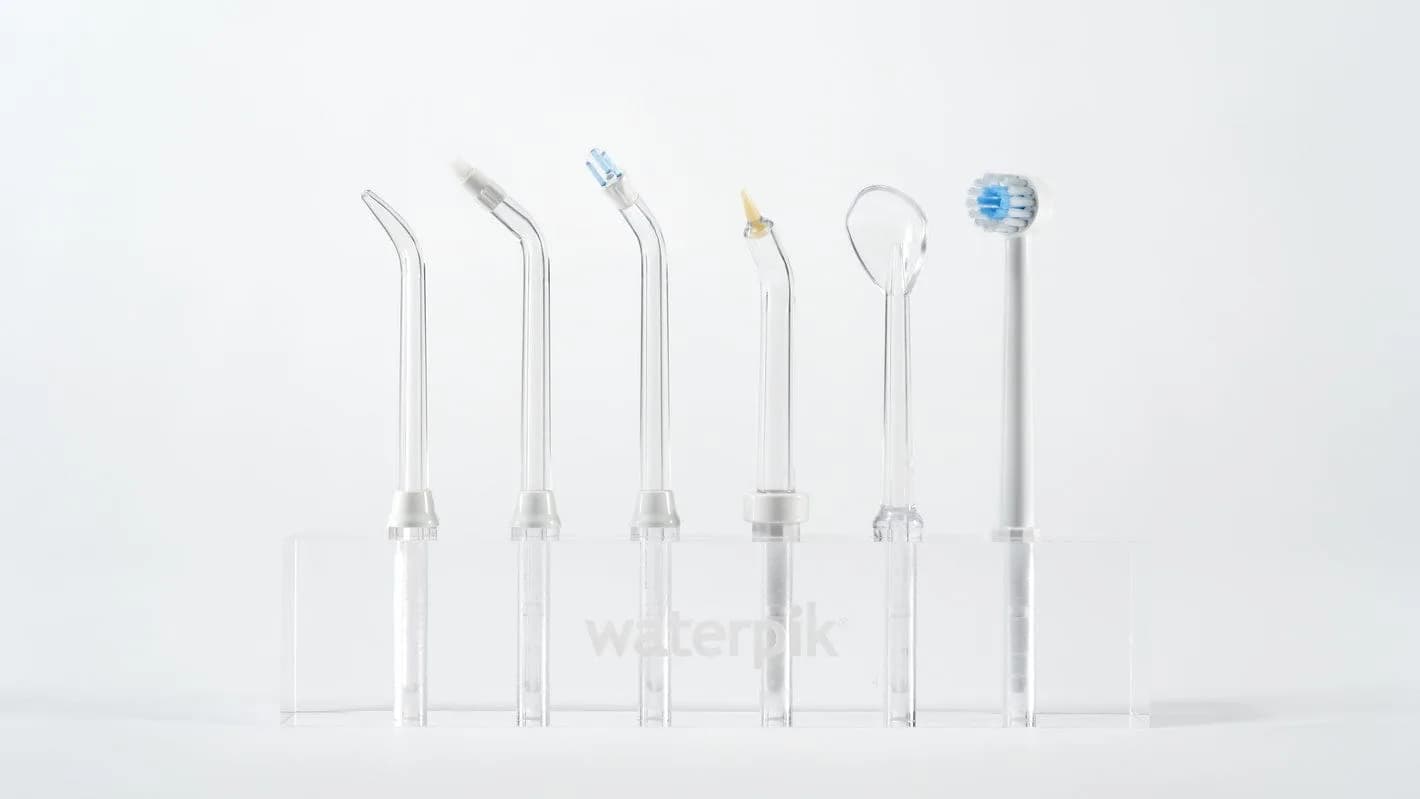
The evidence shows the footnote often narrows it to one model and one use. As of November 2026, Waterpik's US site says its Promax carries an 'ADA accepted' seal, with a footnote that the clinical claim relates to use with the Precision Tip for 6 weeks. The ADA's own page says Seal-accepted water flossers have been tested for safety and effectiveness in removing plaque, but it does not say they beat string floss. On its UK site the brand says it is 'the only water flosser brand approved by the Oral Health Foundation'. That is the brand's own claim; the Foundation's own list is the place to confirm it.
Relative claims need the same question. Oral-B's US page describes Glide Floss as sliding up to 50% more easily in tight spaces. The question to ask is: more easily than what? If the front of the pack does not say, the footnote should. For any floss or brush, the ADA's list of accepted products is where to confirm whether a given item carries the Seal.
Myth: Studies prove floss and flossers prevent cavities
The evidence shows something more modest. The 2019 Cochrane review included 35 randomised trials with 3,929 adults. It found floss or interdental brushes added to brushing may reduce gingivitis or plaque more than brushing alone, with brushes possibly ahead of floss. The ADA rates that evidence low to very low certainty, says the effects may not be clinically meaningful, and notes most studies ran only 1 to 3 months. There were no randomised trials on cavities between teeth and few on periodontitis, a more serious form of gum disease. Participants also knew they were in an experiment, which may have changed how they brushed or ate.
So an honest flossing claim is a small one. That does not change the official guidance: the ADA advises cleaning between teeth once a day, and the NHS lists floss, tape and interdental brushes as ways to do it. It does mean the evidence behind a flossing percentage is thinner than the box may suggest. Which tool suits your gaps is a question for a dentist or hygienist. Before a percentage earns your trust, ask:
What was measured: bacteria in a dish, plaque, gum inflammation or cavities?
Was it a lab test or a trial in people, and for how long?
Compared with what: nothing, brushing alone, or another product?
Which exact product or accessory does the footnote name?
Is this product on the certifier's own list, not just wearing a similar badge?
Common questions
What did the ASA rule on the '99.99% effective' toothpaste claim?
In 2016 it upheld a complaint against a Nuby toddler toothpaste ad that claimed to be '99.99% effective against oral bacteria'. The lab test did not reflect real brushing, and the ASA said decay claims needed human trials of sufficient duration.
Does 'clinically proven' have a legal meaning?
In the FTC's guidance it implies that testing proves the benefit claimed, so the claim must match what the study actually measured. Rules differ by country, so treat that as the US position.
Does the ADA Seal or the Oral Health Foundation badge settle it?
Each is an independent review of the product under its own criteria, which is useful evidence. Neither page says it audits every number printed on the pack, so still read the footnote.
Sources
- ASA ruling on Nuby UK LLP (A16-335945)
- FTC Health Products Compliance Guidance
- ADA: Dental Floss/Interdental Cleaners
- Cochrane: Featured review on home use of devices for cleaning between teeth
- ADA Seal of Acceptance
- Oral Health Foundation accreditation
- ADA MouthHealthy: Water flossers
- Waterpik US
- Waterpik UK
- Oral-B US floss page
Read next
HealthBuying guide
Light box claims annotated: what 'clinically proven' and 'medical grade' allow
A light box's wording sits in regulated territory. Six myths about what the box says, from 'clinically proven' to '10,000 lux', checked against MHRA, ASA and NHS guidance.
HealthBuying guide
How to Choose Earplugs for Sleeping While Travelling: A Buying Guide
Fit and material matter more than the biggest number on the box. How to read the ratings, what each price tier buys, and what to skip for hotels, dorms and flights.

TechnologyBuying guide
A drone under the tree: what to register and pass in the UK, EU and US
Got a drone as a present? The UK's 2026 rules, the EU's class marks and the US test and registration, read clause by clause, with a gloss on each.