TravelRoundup
Five destinations for a quiet city break in autumn, and what each one suits
Five European cities for a quiet city break in autumn, with what each one offers, what its official tourism site says about the season, and what to check.

In this guide7 sections
- 01What quiet means in this list
- 021. Ghent, Belgium: green parks and quiet corners
- 032. Bruges, Belgium: canals and green ramparts
- 043. Porto, Portugal: a sea-facing park and a rain plan
- 054. Tallinn, Estonia: fewer visitors and a light walk
- 065. Ljubljana, Slovenia: a compact city for walking or cycling
- 07Which one to pick, and the one real downside
What quiet means in this list
Quiet is a loose word for city breaks. Here it means three things: fewer crowds, calmer streets, and enough to do once the days get shorter. Each place below has an official tourism site or national board that says something concrete about autumn. Where a source says nothing about the season, the entry says so instead of filling the gap. The point is to compare what each source says, not to rank the cities. Which of the five fits your dates is a question only you can answer, but the sections make the trade-offs easier to see.
Two notes before you start. There are no prices in this article, because prices on these sites change and the pages do not always say when they were set. The details that change every year, such as event dates, opening hours and the weather, need checking before you book. Are you travelling in early October or late November? The answer decides which events are still on, so start there.
Each entry follows the same order: what the source says about the season, what it says about crowds or walking, and what you still need to check. That keeps the five sections comparable, and it stops a confident-sounding tourism line from passing for a fact nobody has confirmed.
1. Ghent, Belgium: green parks and quiet corners
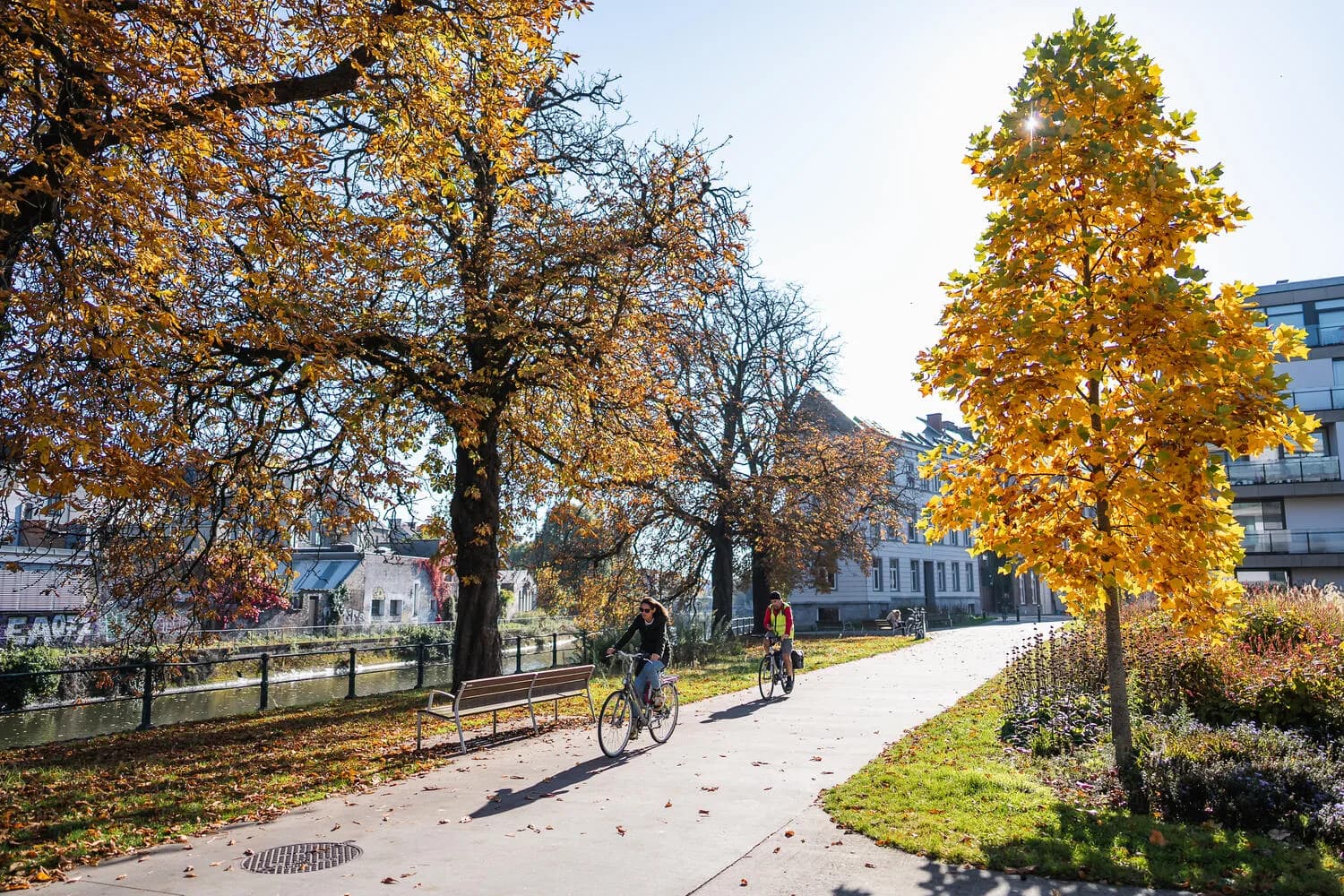
Ghent's official visitor site makes a direct case for autumn, and it leans on the parks. It calls Citadelpark a green lung between the Scheldt and Lys and says the park's sights and sounds are even more attractive in the season. The autumn day it suggests is a slow one: a walk through the coloured trees, a warm coffee place, and a browse of the shops. The same page also mentions watching the students pass by, so the city is not all parkland. Is a slow weekend what you are after? Then Ghent may be the easiest pick on this list.
For quiet, the page points to the Beguinages, which it says are even more peaceful than usual in autumn, with narrow streets to wander. The page's own words for them are peace and quiet, which is about as direct as a source gets. The Campo Santo cemetery, it says, takes on a melancholy mood. Is that the mood you want from a break? For some travellers it is exactly the point. The site also says the city's monuments and streets are lit every evening until midnight. It gives no opening hours for the parks, museums or attractions it mentions, so check those separately. The G.AN.D.A. Art Route is listed for 27 November to 6 December, and that date needs checking against the current calendar.
2. Bruges, Belgium: canals and green ramparts
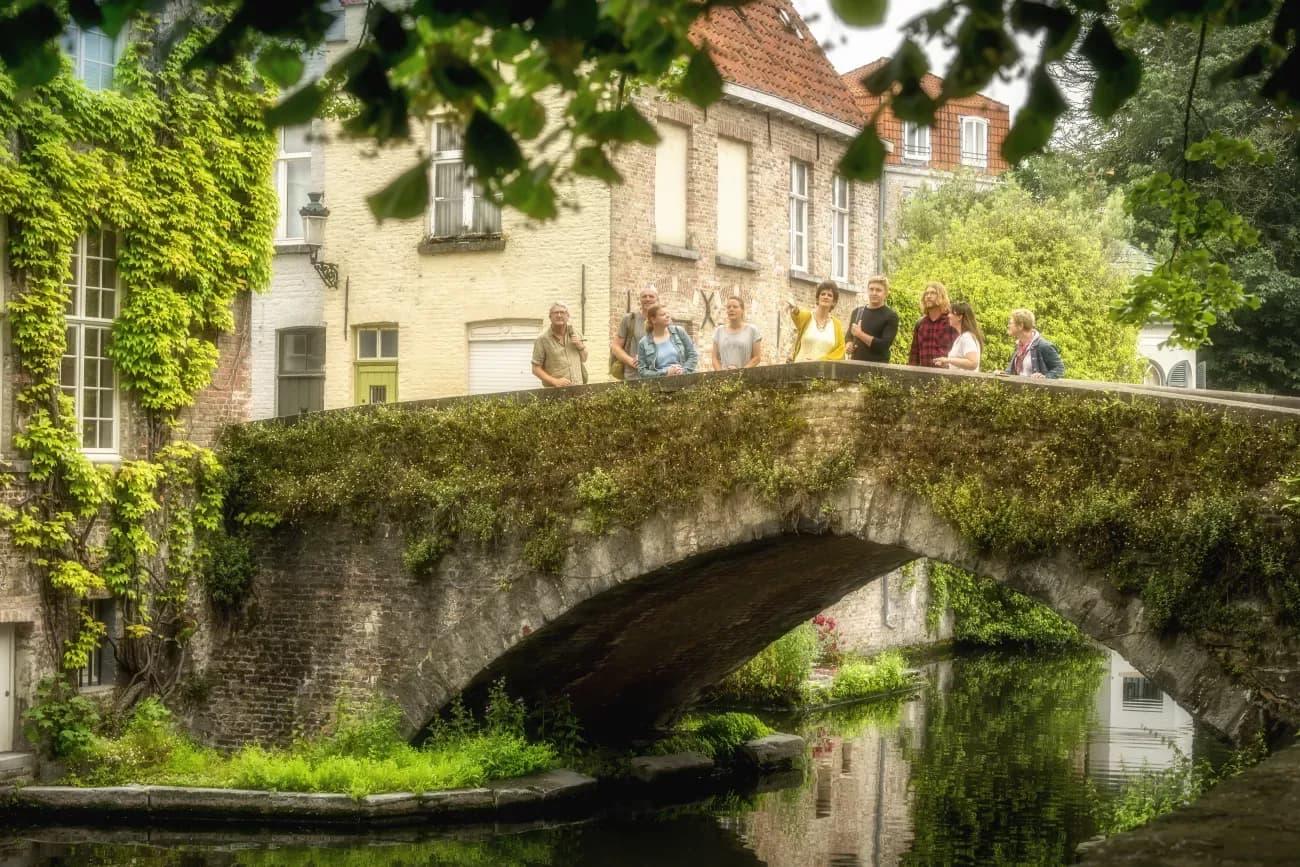
Bruges is the canal city of this list. Its official visitor site describes it as a UNESCO World Heritage city and says a visit is not complete without a boat trip on the canals, which it calls the arteries of the city. If the water is the reason you want to go, the site's own emphasis points you to the boat trip. The site also lists four walking routes in its walking guide and promotes a free app with walking and cycling tours. Its homepage promotes a boat tour it calls Bruges by boat, so the water option is one the site puts in front of you directly.
The green side of Bruges is the ramparts. The site says De Vesten, the City Ramparts, cover 26 hectares and have more than 3000 trees, forming broad green ramparts around the city. The homepage gives no autumn guidance at all: no weather note, no crowd levels and no seasonal events. Is green space what you are after? The page lists the Vesten as a nature spot, which makes the ramparts the natural place to start. The seasonal pages could not be opened when this was checked, so rain advice and autumn opening times need confirming on the site before you go.
3. Porto, Portugal: a sea-facing park and a rain plan
Porto's tourism site gives the plainest weather warning of the five. It says that if you visit during autumn, winter or spring, you should prepare for eventual rain. The same page notes that the historic centre has been a UNESCO World Heritage site since 1996, and it describes the city as one city with eight districts. Read the warning before you choose dates, not after. What would you do on a wet afternoon? Pack a waterproof layer, and plan an indoor option for at least one afternoon.
For a park, the city page describes Parque da Cidade as a park with direct sea frontage. It does not give autumn details for the park, and it names no autumn events. It also does not describe the park's paths or facilities, so the sea frontage is the one park detail to rely on. So ask which of your plans need a dry day, and check the park's opening hours and the seasonal programme on the official site. Is Porto a quiet city? The official page does not say so, and this entry does not claim it.

4. Tallinn, Estonia: fewer visitors and a light walk
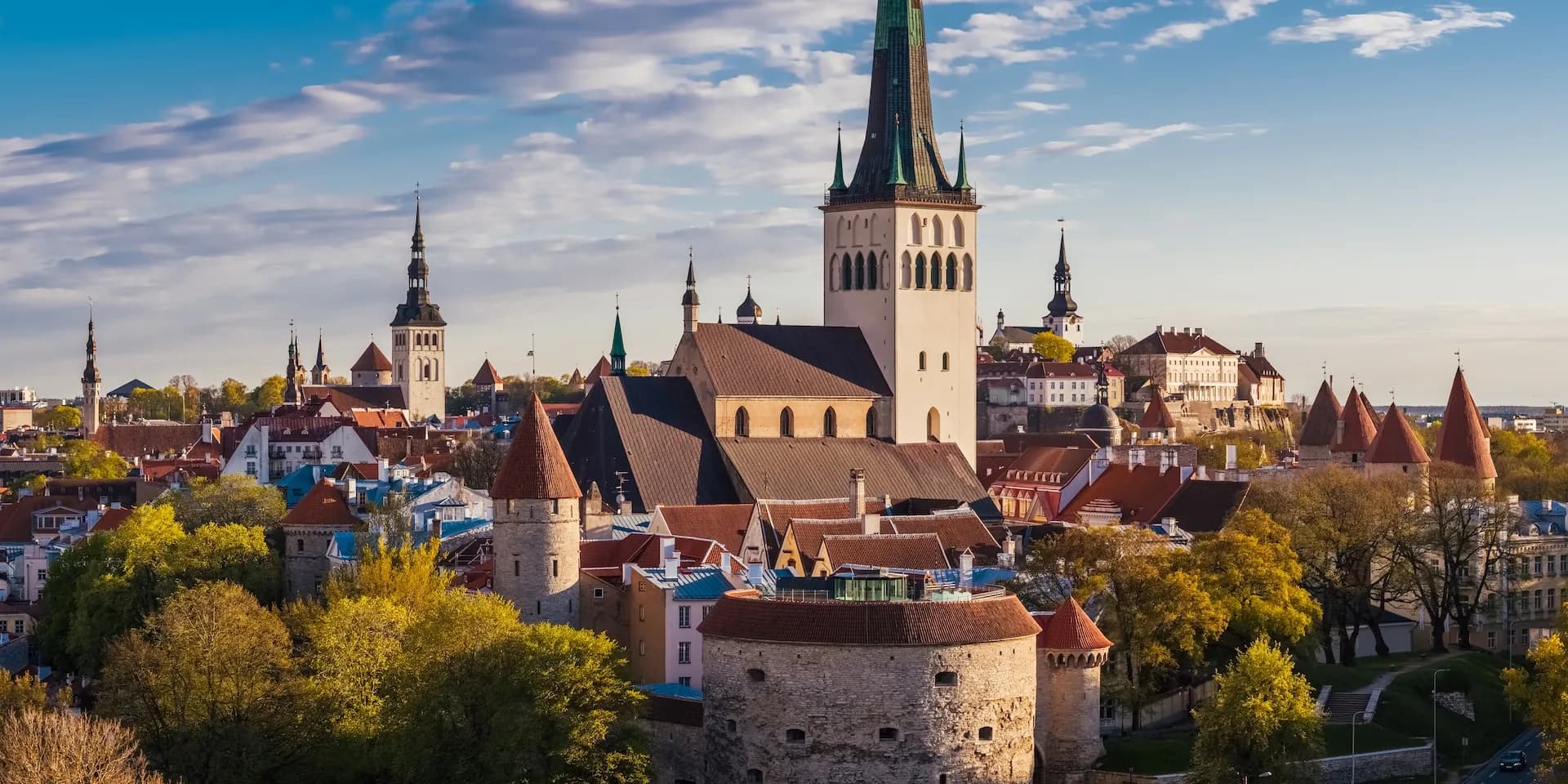
The national tourism board's Tallinn page is the plainest statement of quiet in this list. It says the city experiences fewer visitors during the spring and autumn months, with smaller crowds. The same page says autumn brings the Lights Walk in Kadriorg Park, though it does not say how long the walk runs. Its photo of Kadriorg Palace is captioned as taken in the autumn, which ties the park to the season on the page itself. The city's own seasons page adds the Tallinn Marathon, cultural and social events moving back indoors, and autumn design and fashion events.
The seasons page says the markets are stocked with autumn produce, and it names autumn as a season for a spa or beauty salon visit. It also warns that Tallinn's weather is irregular and does not always match the season, and it gives no autumn temperatures. The Christmas tree goes up on Town Hall Square in mid-November, so late-autumn visitors will see the season turn. Would you rather have the quieter weeks before that, or the lit square? Check the weather and the event dates before you go.
5. Ljubljana, Slovenia: a compact city for walking or cycling
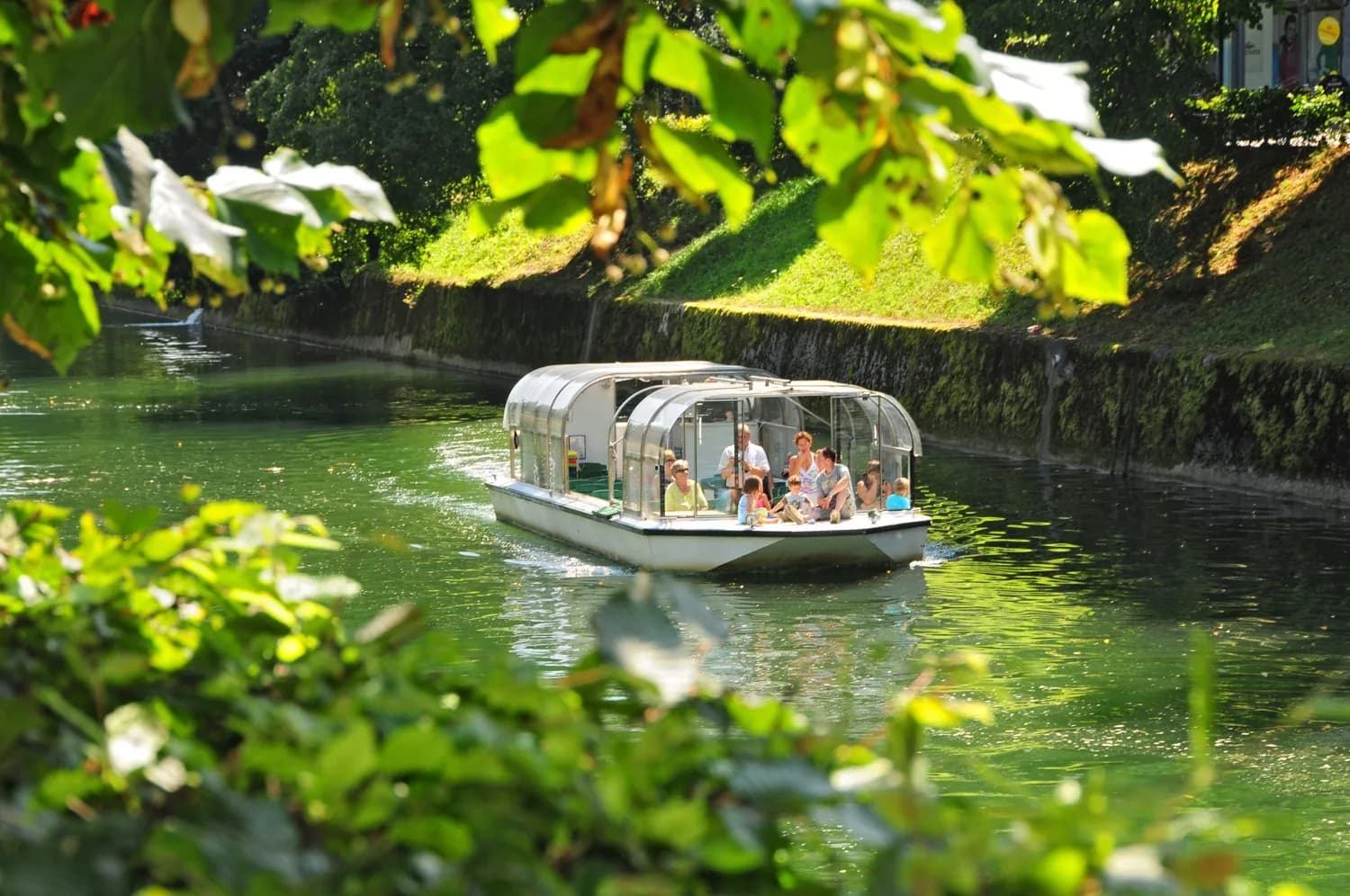
Ljubljana's official site describes the city as very compact and perfect to explore on foot or by bike. For autumn, that makes walking a sensible default. The weekend package page lists a riverboat trip, a regular guided tour and bike hire among the things it discounts, and the homepage also describes a pedestrian zone. That page also describes a two-night stay with breakfast and parking, which helps when you plan the rest of the trip around it. The site gives no walking distances, so measure your own route on a map before you plan a full day on foot.
Check the events. The homepage promotes November Gourmet, a culinary festival, and frames the November event as Ljubljana cooking to the rhythm of music. It also mentions music on the riverside streets in December. The package page does not say which dates its offers cover, so confirm current details before you book. Is a guided tour what you want? That depends on how you like to walk, and the site does not rank the options.
Which one to pick, and the one real downside
If you want autumn to mean parks, slow streets and a warm cafe stop, start with Ghent. Its own site speaks to quiet and to autumn most directly, which makes it the clearest starting point here. Choose Bruges if canals and a ramparts walk are the point, Porto if you want a sea-facing park and can plan around rain, Tallinn if the national board's smaller-crowds claim matters most, and Ljubljana if you prefer one compact city to walk or cycle.
What this list does not do is rank the five. Each one gets a recommendation for a different kind of autumn, and none of them is the right answer for every traveller.
The one real downside is the weather. Porto's site tells you to prepare for rain in autumn, and Tallinn's says the weather does not always match the season. Plan a wet-day list for any of these five cities. Then check the calendar before you book, because the event dates and offers on these sites change, and several items above were listed for 2026 when they were checked.
Read next
TravelBuying guide
Cruise cover annotated: cabin confinement, missed port and itinerary change
Three cruise clauses read against Avanti's cruise page: what each pays, where versions of the page differ, and the questions to put to the wording first.
TravelBuying guide
Flight cancelled by snow? Six myths about what UK261 still owes you
Snow can cancel your compensation, but not the meals, the hotel or the refund-or-reroute choice. Six winter-delay myths set against the CAA's own wording.
TravelBuying guide
A winter abroad: what to check in a long-stay travel insurance policy first
Before three months away, read the margins: trip-length caps by age, health changes mid-stay, returning home, and what the GHIC does not cover. Annotated, not advised.