TravelFirst look
EES is running, ETIAS is not: what UK and US travellers face at Schengen borders
EES is already taking photos and fingerprints at Schengen borders; ETIAS has no start date and takes no applications. What applies this winter, and what doesn't.
In this guide8 sections
- 01The short answer, with the small print attached
- 02What the Commission says EES is, read line by line
- 03At the booth: the first visit, then every visit after
- 04Who is exempt, and what happens with children
- 05Now versus not yet, side by side
- 06A dated timeline, so you can check any claim
- 07ETIAS: what the official page does and does not say
- 08What to do this winter, what to skip, what to watch
The short answer, with the small print attached
Two acronyms get used as if they were one project. They are at very different stages. The Entry/Exit System, EES, has been fully operational since 10 April 2026, and if you hold a UK or US passport and cross into the Schengen area on a short stay this winter, it applies to you unless you belong to one of the exempt groups covered below. ETIAS, the pre-travel authorisation, is not in operation. The European Commission's Smart Borders page says so in one sentence: "ETIAS is currently not in operation and no applications for travel authorisations are collected at this point."
Margin note: keep that last sentence. It means there is no ETIAS to apply for, no ETIAS fee to pay and nothing ETIAS-related to tick off before a December trip. What has changed is the border itself, where digital records have replaced passport stamps for non-EU short-stay visitors.
The rest of this piece sorts the official wording into two piles: what bites this winter and what does not yet. The EES facts rest on the Commission's home affairs pages and GOV.UK guidance; where those disagree, or have gone out of date, we say so.
What the Commission says EES is, read line by line
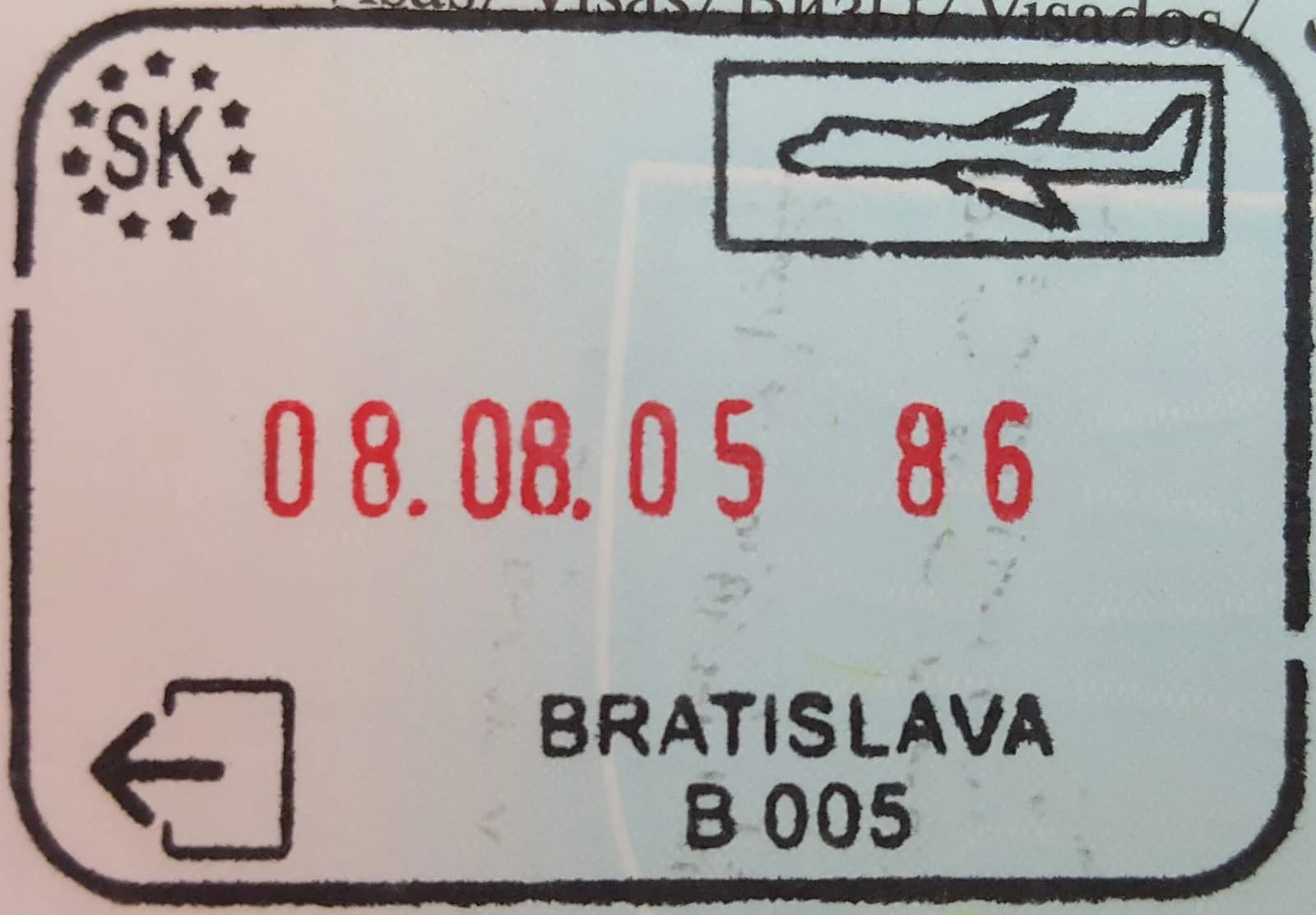
The Commission's EES page describes a system that replaces passport stamping for non-EU short-stay travellers. A notice dated 30 March 2026 announced the full start and reported more than 45 million border crossings registered so far, which tells you this is no pilot. The system began progressively on 12 October 2025; the legal basis, Regulation (EU) 2025/1534, was adopted on 18 July 2025 and entered into force on 26 July 2025.
Annotation, line one: "non-EU nationals travelling for a short stay." UK and US passport holders are non-EU, so both are covered, and you are registered each time you cross the external border of the 29 participating countries. Line two, the data: the Commission lists fingerprints and captured facial images, and Eurostar's help page describes the same two items, a face image and fingerprints. At the booth that means your passport is scanned, your face is photographed and your fingers are read.
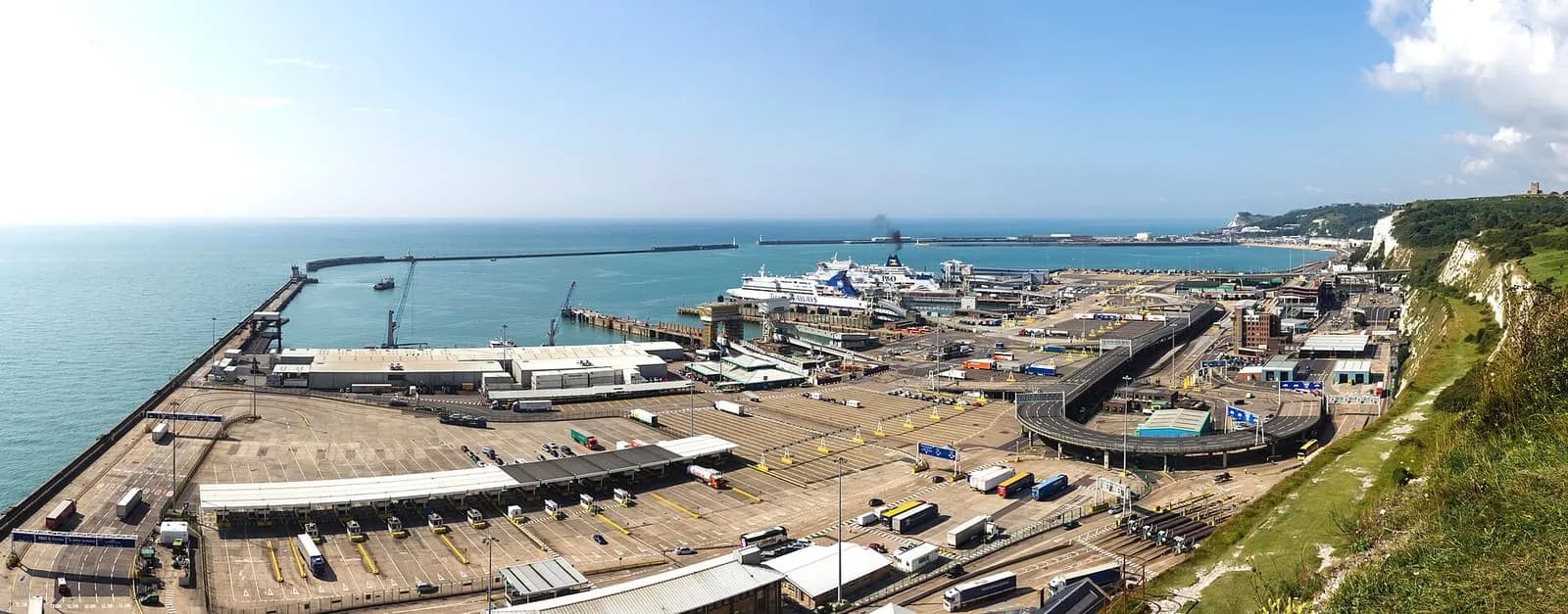
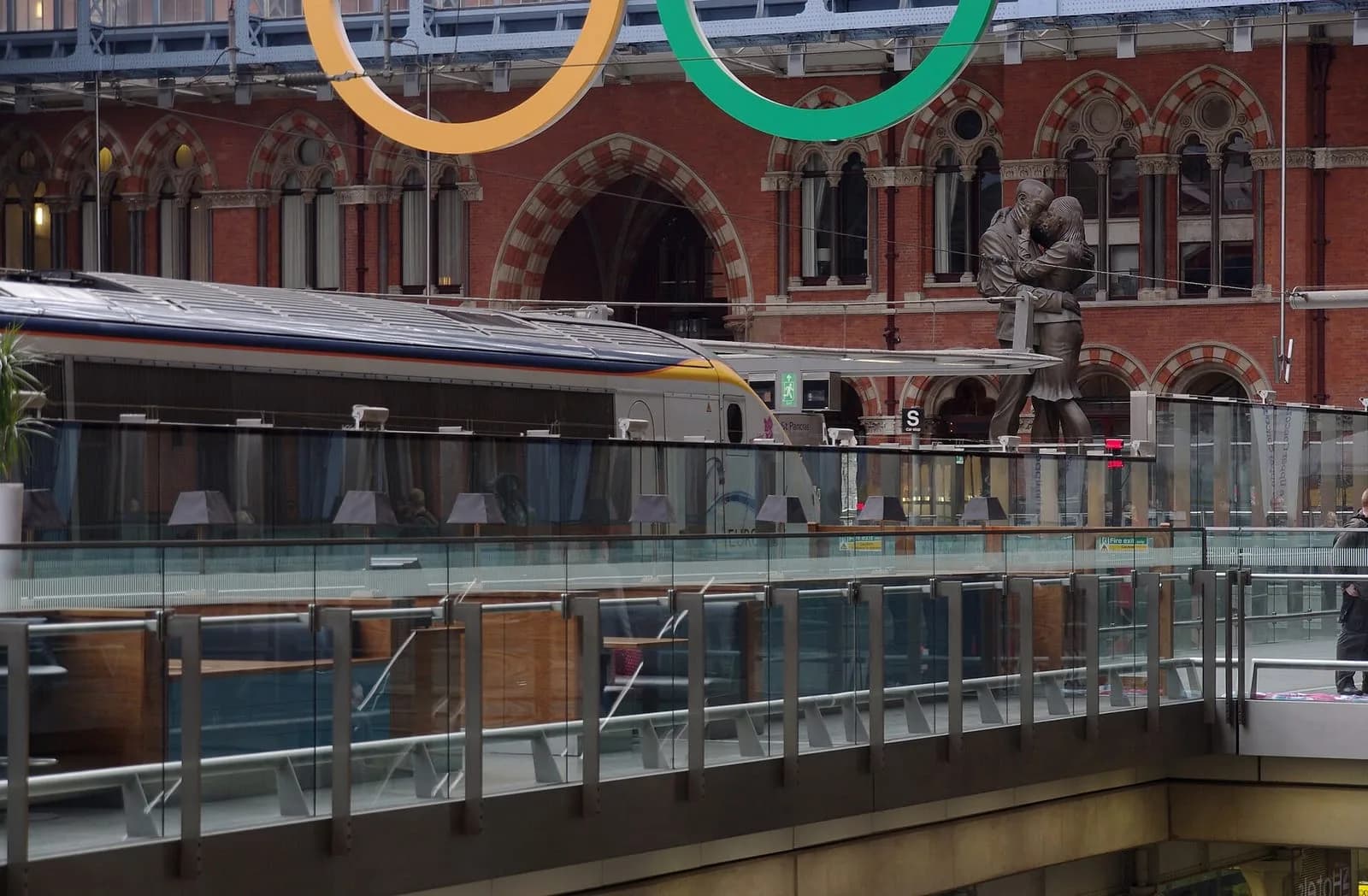
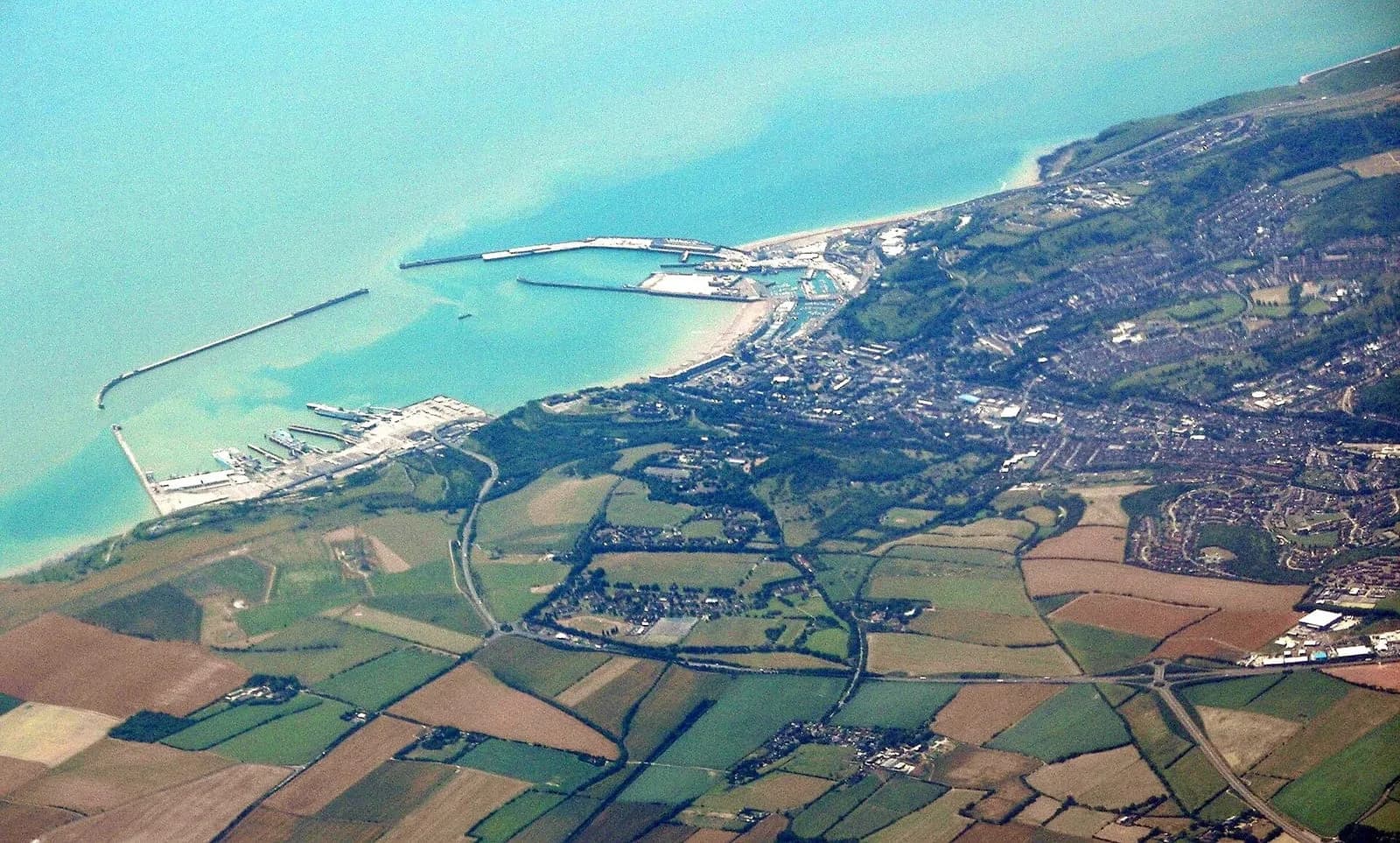
Line three, the map. Ireland and Cyprus are outside Schengen and, per GOV.UK, do not apply EES, so a trip there creates no record. Elsewhere you register on arrival, except at the UK's three juxtaposed controls (St Pancras, Folkestone and Dover), where registration happens before you leave the UK; each operator's own page carries the details.
At the booth: the first visit, then every visit after
GOV.UK says registration is free, that no advance application or pre-travel action is needed, and that travellers should follow their operator's advice. At a first entry you may be asked to register fingerprints and a photo at a booth before the immigration desk. On exit, a fingerprint or photo may be requested again.
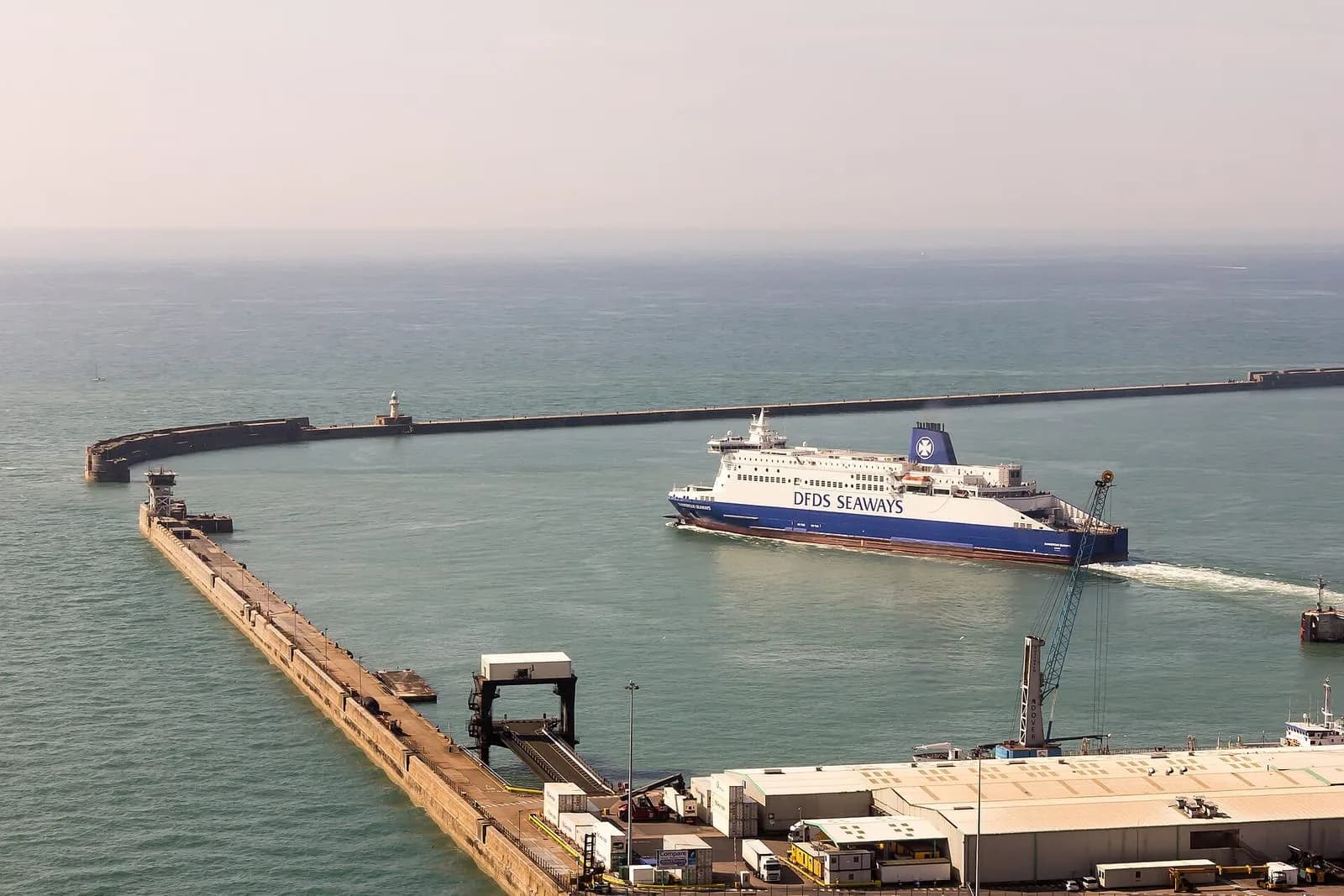
How long does it take? GOV.UK says checks should take only a few minutes per person, then adds that longer waits are possible at busy times and on return journeys to the UK. No queue-time figure appears in the official pages we read, and none of the three operator pages offered December or winter guidance. Anyone quoting a precise December queue time is guessing. One operator page is out of step with the rest. Port of Dover's EES page still says the full process for tourist traffic has not been implemented yet, which is hard to square with the Commission's 10 April full-operation date. It also sends passengers to the Eastern Docks Ferry Terminal for French border processing, while GOV.UK places Dover's new EES processing area at the Western Docks. Two points on the port's page are clear: arrive no more than 2 hours before your ferry departs, and vehicles carrying both EU and non-EU passengers go to the EES registration area so the non-EU passengers can register.
The record lasts. Registration is valid for three years or until the passport expires, whichever is sooner, and later visits need only a passport scan and an identity check by photo or fingerprint. A freshly renewed passport may mean the first-visit routine again; the pages we read don't say so outright, so treat that as an expectation, not a rule.
Who is exempt, and what happens with children
GOV.UK names two groups of UK nationals who are exempt: British citizens holding Withdrawal Agreement residence documents, and UK-EU dual citizens travelling on an EU passport. Exempt travellers should not register; they show their exempting documents to a border guard. GOV.UK points to the EU's Travel Europe site for the full exemption list, so if you think you are exempt for another reason, check it there. This guidance is written for British travellers and names no US-specific exemption, so US travellers should also read their own government's travel pages.
Children are where the wording wobbles. Port of Dover says under-12s are not fingerprinted, but that every passenger, babies included, is photographed and gets a digital record. GOV.UK's France page says children aged 11 or under may have a photo but no fingerprints, while Eurostar and GOV.UK's Easter news say fingerprints are taken from age 12. Three phrasings, one line at twelve. If your child is close to that birthday, ask your operator before you travel.
Now versus not yet, side by side
This is the table to screenshot. The left column holds what applies to a trip this winter; the right holds what does not, however confidently a search result may suggest otherwise.

A dated timeline, so you can check any claim
Every date below comes from an official page or a report quoting one. The April GOV.UK line is kept because it shows how fast the ETIAS picture moved.
22 June 2024: Frontex warns that more than 100 unofficial websites give ETIAS information.
18 July 2025: Regulation (EU) 2025/1534 adopted; in force from 26 July 2025.
12 October 2025: EES begins progressively.
30 March 2026: Commission notice announces full operation from 10 April and reports over 45 million crossings registered.
10 April 2026: EES fully operational. GOV.UK guidance updated the same day says ETIAS is expected in autumn 2026, a line now out of date.
14 August 2026: a travel news report says that, as of 12 August, the Commission had not announced a new launch year and the last-quarter 2026 timetable was no longer confirmed.
27 October 2026: latest news item shown on the Commission's Smart Borders page, which still says ETIAS is not in operation.
ETIAS: what the official page does and does not say
Read the Smart Borders page for what is missing. There is no start date. The Commission says it will announce a specific start date several months before the system launches. No new date has been announced, and the earlier autumn target is no longer confirmed: a travel news report in August 2026 said the last-quarter 2026 timetable was not backed by the latest official notice.
Then the fee. The Smart Borders page lists no ETIAS fee, and with no application open there is nothing to charge for. Whatever sum a website asks today is payment for a service the EU is not running.
Frontex made the same point in June 2024 under the headline "Beware of risks posed by unofficial ETIAS websites". It said the official site, europa.eu/etias, is the only legitimate place to apply once ETIAS launches, and that sites claiming to accept applications now are untrustworthy.

What to do this winter, what to skip, what to watch
Do these. The passport and proof-at-the-desk rules below come from GOV.UK's entry requirements page for France. Each Schengen country has its own page, so check the one for your destination before you go.
Check your passport: issued less than 10 years before arrival (GOV.UK warns that UK passports renewed before 1 October 2018 may fall short) and valid for at least 3 months after the day you plan to leave Schengen.
Keep proof of accommodation, enough money for the stay and a return or onward ticket within reach; guards "may ask" for these, and may ask for proof of travel insurance.
Expect photo and fingerprints on a first entry, a quicker scan after that, and follow your operator's advice on timing.
Skip any ETIAS application, and any service that charges to process or speed one up.
Skip paying anyone to pre-register you for EES: it is free and needs nothing in advance.
Watch the Commission's Smart Borders page for an ETIAS date, which should come with several months' notice, and GOV.UK's EES guidance, whose ETIAS line still dates from April.
Side by side
| EES (applies now) | ETIAS (not yet) | |
|---|---|---|
| Status | Fully operational since 10 April 2026 | Not in operation; no applications collected |
| What you do | Register photo and fingerprints at the border on first entry | Nothing; there is no application to submit |
| Cost | Free, per GOV.UK | Nothing payable today; no fee on the Commission page |
| Advance action | None needed | None possible |
| Validity | Three years or until the passport expires, whichever is sooner | Not set; no launch date |
| Start date | 12 October 2025 (progressive), 10 April 2026 (full) | None announced; the EU says it will give several months' notice |
| Where it is official | Commission EES page and GOV.UK guidance | Commission Smart Borders page; europa.eu/etias once open |
Common questions
Do I need an ETIAS for a trip this winter?
No. The Commission's Smart Borders page says ETIAS is not in operation and no applications are collected. There is nothing to apply for, so a site selling an application is selling something the EU is not issuing.
Will my fingerprints be taken every time I cross?
Not every time. Registration is valid for three years or until the passport expires, whichever is sooner, and later visits need a passport scan and an identity check by photo or fingerprint. A fingerprint or photo may also be asked for on exit.
Do I pay for EES or register before I travel?
GOV.UK says registration is free and no advance application or pre-travel action is needed. Follow your operator's advice about where and when it happens.
Are children fingerprinted?
The sources we read point to fingerprints from age 12, with photos taken for younger children, babies included, per Port of Dover. Their wording differs (under 12, 11 or under, 12 and over), so confirm with your operator if your child is near that age.
Sources
- Entry/Exit System (EES) - European Commission
- Entry/Exit System will become fully operational on 10 April 2026 - European Commission
- Smart Borders - European Commission
- EU Entry/Exit System - GOV.UK
- EES: new EU border checks for Brits this Easter - GOV.UK
- France entry requirements - GOV.UK foreign travel advice
- Beware of risks posed by unofficial ETIAS websites - Frontex
- ETIAS stays offline as EU holds back launch date - Jetsetter
- Entry/Exit System - Port of Dover
- What's the EU's Entry/Exit System (EES)? - Eurostar help
Read next

TravelBuying guide
Cruise cover annotated: cabin confinement, missed port and itinerary change
Three cruise clauses read against Avanti's cruise page: what each pays, where versions of the page differ, and the questions to put to the wording first.

TravelBuying guide
Flight cancelled by snow? Six myths about what UK261 still owes you
Snow can cancel your compensation, but not the meals, the hotel or the refund-or-reroute choice. Six winter-delay myths set against the CAA's own wording.

TravelBuying guide
A winter abroad: what to check in a long-stay travel insurance policy first
Before three months away, read the margins: trip-length caps by age, health changes mid-stay, returning home, and what the GHIC does not cover. Annotated, not advised.