TravelBuying guide
Carry-on or checked bags for weekend trips: fees, weight limits and what fits
A weekend trip usually needs one carry-on, but the airline's size, weight and personal-item rules decide whether it fits. Here is how they compare.
In this guide6 sections
Start with the size the airline lists
A carry-on is only a carry-on if it passes the airline's size check, and that check is set by the airline, not by a government agency. Eagle Creek's carry-on size guide gives 22 x 14 x 9 inches, including handles and wheels, as the domestic figure for most airlines it covers. That is the number to compare your bag against, because handles and wheels count toward it.
Not every airline uses that figure. The same page lists 24 x 16 x 10 inches for Frontier and Southwest, and 22 x 18 x 10 inches for Spirit. A bag that fits one airline can fail another, so a bag bought for one trip deserves a second look before the next.
Who sets the rule? The airline does. Who applies it? The airline's staff at the airport, which is why you should measure with the wheels and handles fitted and leave a little room. A fully packed bag can bulge, and the closed size on a product page does not show that.
22 x 14 x 9 inches, including handles and wheels: most airlines, per the Eagle Creek guide
24 x 16 x 10 inches: Frontier and Southwest, per the same page
22 x 18 x 10 inches: Spirit, per the same page
Weight is the rule that changes most
Size gets the attention, but weight is where airlines differ most. The Eagle Creek page says domestic carry-ons should weigh less than 50 pounds, and it adds that some airlines set stricter carry-on weight limits. It does not list those airlines, so 50 pounds is a general ceiling from the page, not a guarantee for your ticket.
Travel outside North America raises the stakes. The same page says European and Asian airlines are generally stricter on both the size and the weight of carry-ons. Suppose a bag is packed for a domestic weekend. It may still be over a stricter limit on the international leg you book next.
Why bother for a short trip? A weekend bag is light by design, but it is easy to overfill. The page gives the limit, not the weight of your packed bag, so weigh the bag at home with everything in it before you leave.
What this does not tell you: the weight of the empty case. The brand pages used here do not give a reliable weight for the Victorinox cases, so you cannot subtract the shell from the limit on paper.
Fees and the personal item
Part of the cost question depends on what the airline counts as a free item. The Eagle Creek page says a personal item, such as a purse, briefcase or laptop bag that fits under the seat in front of you, is included in the ticket on every airline the page lists. It gives 18 x 14 x 8 inches as the personal-item size for Frontier and Spirit.
The same page says Frontier and Spirit charge separately for carry-on bags. For a weekend on those carriers, the carry-on fee is the main cost question. Whether a bag counts as a carry-on or a personal item on your ticket is answered by the airline's own baggage page, not by a size guide.
Is the fee already on your fare? Check on the day you book. The fee depends on the fare type, and the guide does not show a date or a current price, so neither appears here.
Carry-on size and weight, from the airline's baggage page
Personal-item size, and whether it is included in your fare
Whether a carry-on fee applies to your specific fare
What a weekend bag gives up
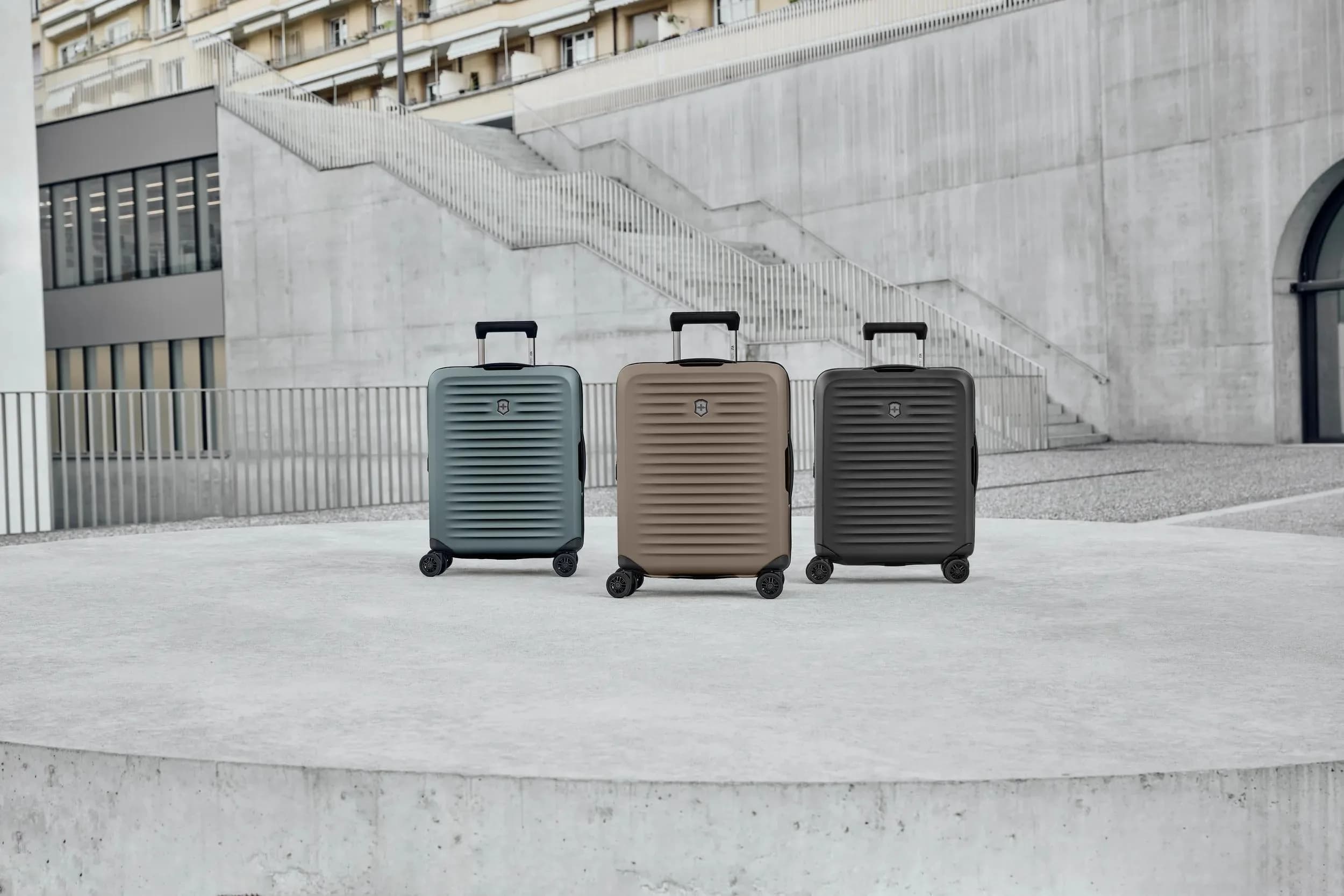
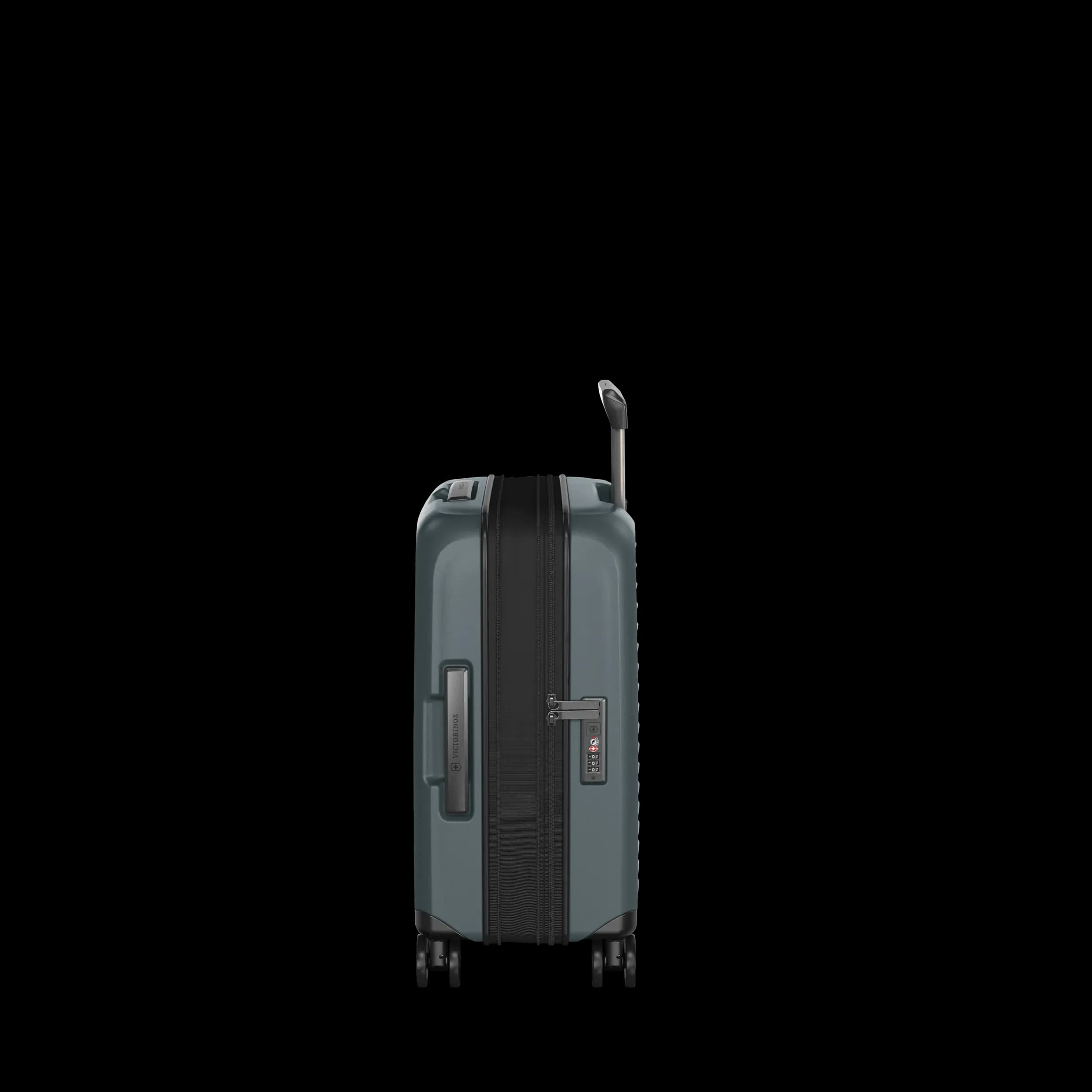
Victorinox's Airox Advanced collection gives a concrete example of a bag built to stay inside the common limit. The collection page says the case expands by 15 to 20 percent and includes a 16-inch laptop pocket. Expansion is useful when a weekend runs over, but it also adds depth, so an expanded bag may no longer meet the size you planned around.
The Victorinox carry-on category page says the bags are "designed to meet the requirements of most major airlines". That is the brand's claim, not an airline's confirmation. The brand pages used here do not list the exact external size or the capacity in liters of the Airox Advanced case, so this guide does not set those figures against the airline limits above.
Does an expandable bag count as one size or two? Ask the airline, and measure it both closed and expanded. The closed size is the one most product pages print first, and the expanded size is the one that matters when the bag is full.

What the sources leave out
The pages behind this guide cover carry-on size, weight and personal items. They do not give checked-bag sizes, checked-bag fees or a weight table by airline. Several airline and brand pages that would have covered those points could not be opened for this guide, so checked bags are not covered in depth here.
For a weekend, the choice is simpler than the rules make it sound. If one bag fits the size and weight the airline lists, and your ticket includes a personal item, a carry-on avoids the checked-bag step at the airport. A checked bag makes sense only when the trip needs more clothes than a carry-on holds, and the airline's fee for it is worth that space.
What this does not tell you: whether a particular carrier will measure your bag strictly on the day. The airline publishes the rule and decides how it is applied.
Verdict: a carry-on for most weekends
For most weekend trips, pack a carry-on that sits at or below the airline's listed size, weigh it at home, and pay for a checked bag only after the airline's page shows the fee on your fare. Choose an expandable case only if you accept that, once expanded, it may be too big for the airline you fly.
The one real downside: a bag that meets the common 22 x 14 x 9 inch limit gives you limited room, so a trip that needs more clothes will push you toward a checked bag and its fee.
Read next

TravelBuying guide
Cruise cover annotated: cabin confinement, missed port and itinerary change
Three cruise clauses read against Avanti's cruise page: what each pays, where versions of the page differ, and the questions to put to the wording first.

TravelBuying guide
Flight cancelled by snow? Six myths about what UK261 still owes you
Snow can cancel your compensation, but not the meals, the hotel or the refund-or-reroute choice. Six winter-delay myths set against the CAA's own wording.

TravelBuying guide
A winter abroad: what to check in a long-stay travel insurance policy first
Before three months away, read the margins: trip-length caps by age, health changes mid-stay, returning home, and what the GHIC does not cover. Annotated, not advised.